Mountains have fascinated humanity for thousands of years. They inspire explorers, artists, photographers, and travelers with landscapes that seem almost beyond imagination. Some rise above tropical rainforests, others tower over glaciers or deserts, while a few have become spiritual symbols recognized around the world. Beyond their breathtaking appearance, the world’s greatest mountain ranges shape climates, nurture biodiversity, and preserve cultures that have existed for centuries.
From the volcanic elegance of Japan to the immense heights of the Himalayas, these extraordinary destinations reveal just how diverse Earth’s landscapes can be. Whether you’re searching for dramatic hiking trails, luxury mountain retreats, or unforgettable scenery, these eight mountain regions deserve a place on every travel enthusiast’s bucket list.
8. The Remote Beauty of the Caucasus
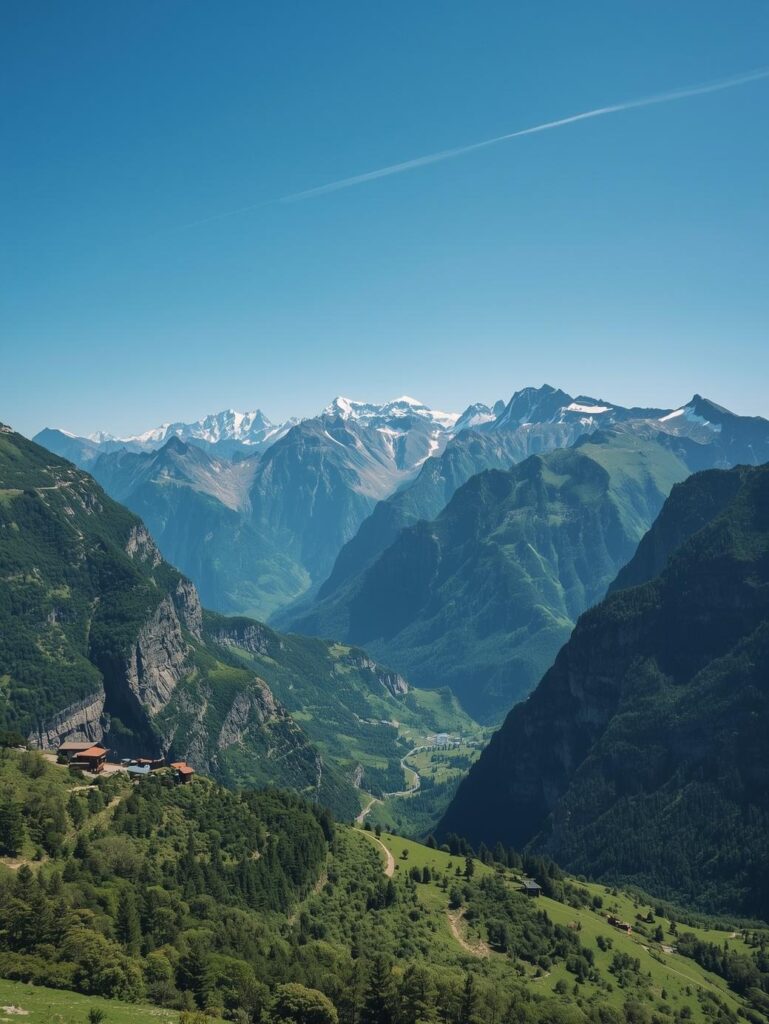
Stretching between the Black Sea and the Caspian Sea, the Caucasus Mountains remain one of the world’s most underrated natural treasures. Despite containing some of Europe’s highest peaks, the region is still far less crowded than the Alps or the Rockies, allowing visitors to experience untouched wilderness and authentic mountain culture.
Towering glaciers, emerald valleys, alpine meadows, and medieval stone villages create a landscape unlike anywhere else. Snow-covered summits dominate the horizon while ancient monasteries and defensive towers blend seamlessly into the rugged scenery.
The highest peak, Mount Elbrus, reaches 5,642 meters (18,510 feet), making it the tallest mountain in Europe according to the most widely accepted continental boundary. Climbers from around the globe travel here to complete one of the famous Seven Summits.
The Caucasus is also home to remarkable biodiversity. Hundreds of plant species grow nowhere else on Earth, while brown bears, wolves, lynxes, and the elusive Caucasian leopard inhabit its remote forests.
Luxury tourism has gradually expanded throughout Georgia, where boutique mountain lodges combine modern comfort with traditional hospitality. Visitors can enjoy local wines, farm-to-table cuisine, and breathtaking panoramic views without the crowds found in many famous alpine destinations.
The Caucasus
The Andes
7. The Exotic Peaks of the Andes
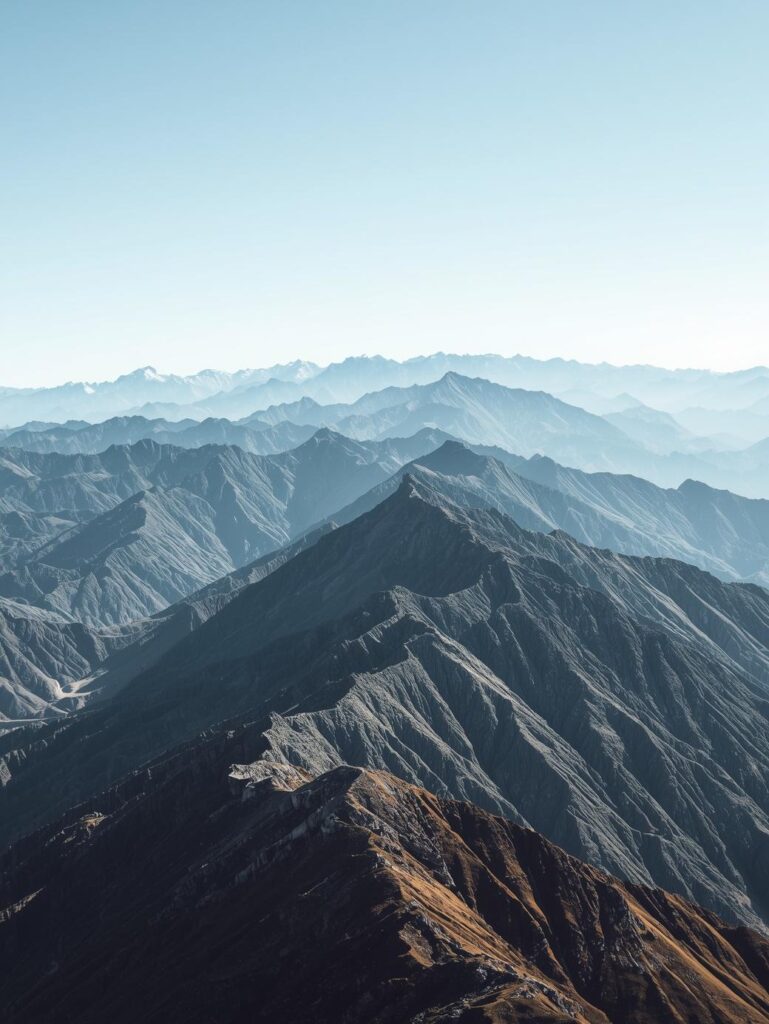
The Andes form the longest continental mountain range on Earth, stretching over 7,000 kilometers across seven South American countries. Their immense scale creates one of the planet’s most diverse mountain environments, ranging from tropical cloud forests to frozen volcanoes and high-altitude deserts.
No other mountain chain has shaped civilizations quite like the Andes. The mighty Inca Empire built roads, temples, and entire cities among these towering peaks centuries before European exploration reached the continent.
Among its most famous landmarks is Aconcagua in Argentina, standing at 6,961 meters (22,838 feet), the highest mountain outside Asia. Despite its enormous height, it attracts experienced climbers from around the world because it can be ascended without advanced technical climbing on its standard route.
Further north, Peru’s Sacred Valley and the mountains surrounding Machu Picchu combine extraordinary scenery with rich archaeological heritage. Meanwhile, Chile offers volcanic landscapes, turquoise lakes, and snow-covered peaks that contrast dramatically with the nearby Atacama Desert — the driest desert on Earth.
Wildlife adds another layer of fascination. Llamas, alpacas, vicuñas, condors, and spectacled bears thrive in different parts of the range, making the Andes one of the world’s richest mountain ecosystems.
Luxury travelers increasingly explore the region aboard scenic trains, private expeditions, and high-end eco-lodges that blend sustainable architecture with spectacular mountain views.
6. The Spiritual Beauty of Mount Fuji
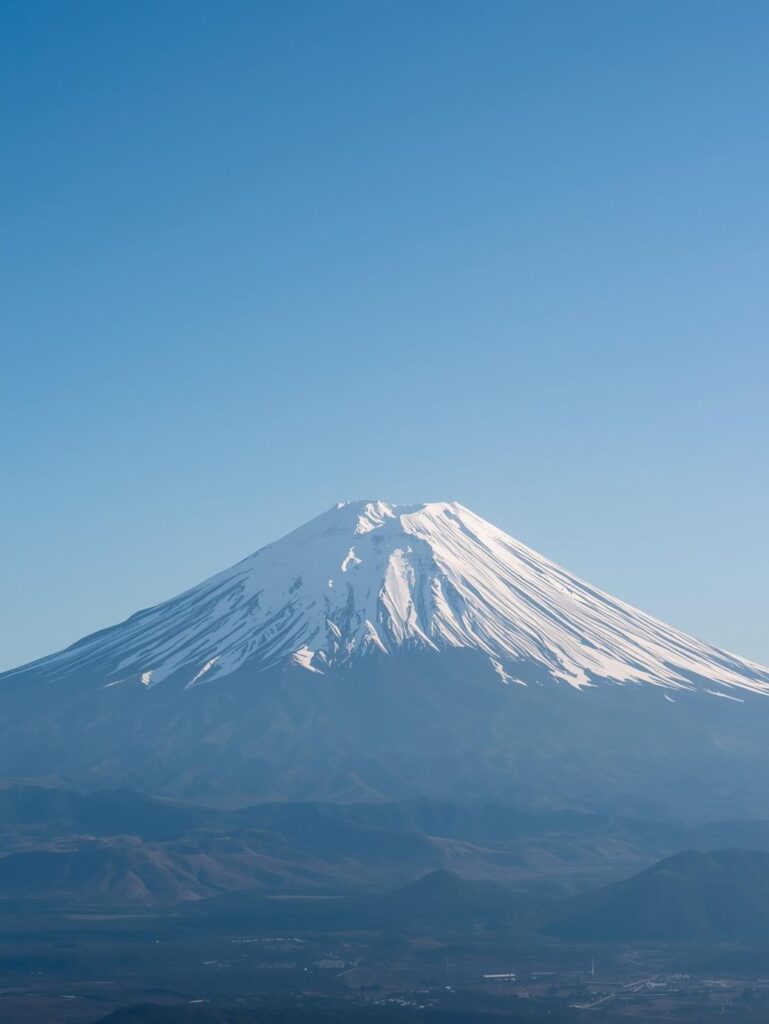
Mount Fuji is much more than Japan’s highest mountain — it is one of the country’s most powerful cultural symbols. Rising 3,776 meters (12,389 feet), the perfectly symmetrical volcano has inspired artists, poets, monks, and travelers for centuries.
Its iconic silhouette changes throughout the seasons. During winter, the snow-covered summit contrasts beautifully against blue skies, while spring transforms the surrounding landscape into a sea of pink cherry blossoms. Autumn paints nearby forests in brilliant shades of red and gold.
Although Fuji is an active volcano, its last eruption occurred in 1707. Scientists continue to monitor the mountain closely, yet its calm appearance contributes to its almost mythical beauty.
For centuries, pilgrims climbed Mount Fuji as a spiritual journey, believing the ascent purified both body and mind. Today, thousands continue the tradition by climbing overnight to witness the famous sunrise known as Goraiko, when the first light illuminates the clouds from above.
The nearby Fuji Five Lakes region offers some of Japan’s most luxurious mountain escapes. Traditional ryokans, natural hot springs, and panoramic lakeside resorts allow visitors to admire Fuji in peaceful surroundings while experiencing authentic Japanese hospitality.
Few mountains in the world have influenced national identity as profoundly as Mount Fuji, making it one of Earth’s most recognizable natural landmarks.
Mount Fuji
The Dolomites
5. The Dramatic Peaks of the Dolomites
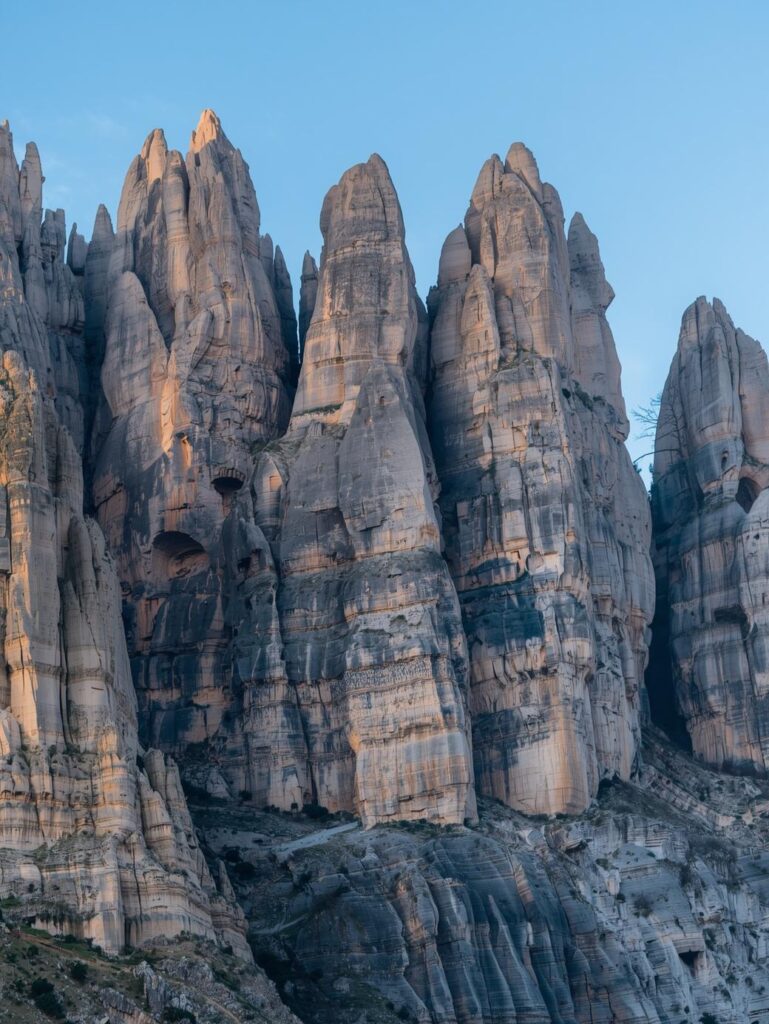
Located in northern Italy, the Dolomites offer some of Europe’s most dramatic mountain scenery. Unlike traditional granite ranges, these peaks consist primarily of pale dolomite limestone, which creates distinctive vertical cliffs and jagged towers unlike any other mountain landscape.
At sunrise and sunset, the rocks glow with shades of pink, orange, and crimson in a phenomenon known as Enrosadira. This magical transformation attracts photographers from across the globe and gives the Dolomites an almost surreal appearance.
The region combines extraordinary natural beauty with charming alpine villages where Italian, Austrian, and Ladin cultures coexist. Visitors enjoy world-class cuisine, historic mountain huts, luxury wellness resorts, and some of Europe’s finest skiing.
During summer, over a thousand kilometers of hiking trails weave through flower-filled meadows, crystal-clear alpine lakes, and dramatic mountain passes. Climbers can also experience the famous via ferrata routes — protected climbing paths originally constructed during World War I that now offer thrilling adventures with breathtaking views.
The Dolomites are also a paradise for cyclists. Legendary mountain passes such as Passo Pordoi and Passo Giau have challenged professional riders during the Giro d’Italia for decades.
Recognized as a UNESCO World Heritage Site, the Dolomites perfectly combine adventure, elegance, and unforgettable natural beauty, making them one of Europe’s premier mountain destinations.
4. The Rocky Mountains of North America
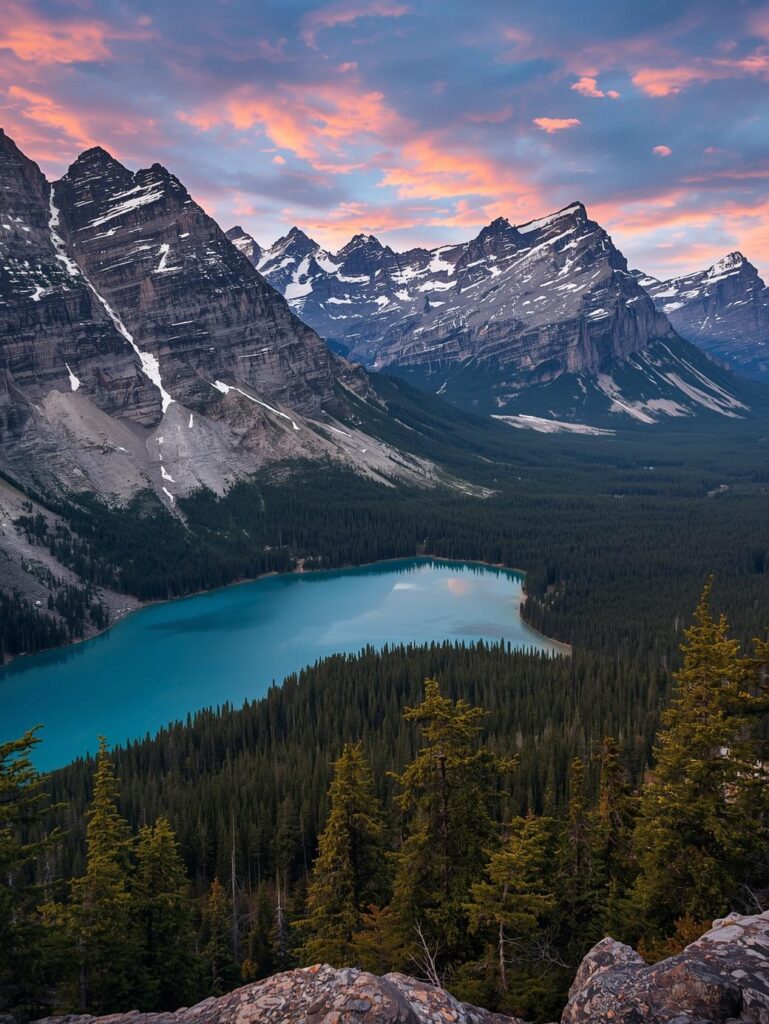
Stretching more than 4,800 kilometers (3,000 miles) from northern British Columbia in Canada to New Mexico in the United States, the Rocky Mountains represent one of North America’s greatest natural wonders. Their immense scale encompasses towering granite peaks, glacier-fed lakes, dense pine forests, alpine tundra, and wide-open valleys teeming with wildlife.
Unlike many mountain ranges that are known for a single iconic summit, the Rockies offer countless unforgettable landscapes. National parks such as Banff, Jasper, Yellowstone, Rocky Mountain National Park, and Glacier National Park showcase crystal-clear lakes, dramatic waterfalls, and snow-capped peaks that change character with every season.
Wildlife is one of the Rockies’ greatest attractions. Visitors regularly encounter elk, moose, mountain goats, bighorn sheep, black bears, grizzly bears, wolves, and bald eagles. The region remains one of the few places where large predators still roam vast protected wilderness.
Adventure opportunities are virtually endless. Hiking, kayaking, horseback riding, mountain biking, skiing, snowboarding, wildlife photography, and scenic train journeys attract millions of visitors every year. Luxury mountain resorts in Aspen, Vail, Banff, and Jackson Hole provide world-class accommodations with breathtaking alpine views, combining wilderness with exceptional comfort.
The Rocky Mountains also play a crucial environmental role. They act as North America’s “water tower,” supplying rivers that provide fresh water to millions of people across Canada, the United States, and Mexico. Without these mountains, much of western North America would have a dramatically different climate.
Whether blanketed in winter snow or illuminated by vibrant autumn forests, the Rockies remain one of the world’s finest destinations for both outdoor adventure and luxurious mountain escapes.
The Rocky Mountains
Patagonia
3. Patagonia’s Wild Beauty
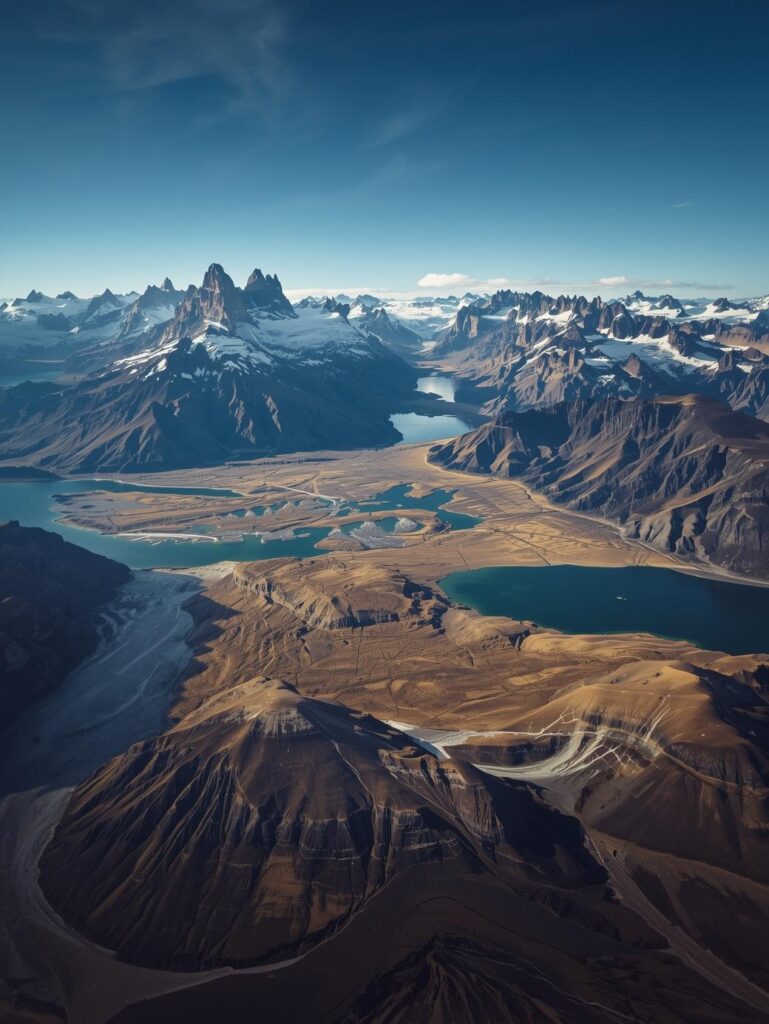
Patagonia represents one of the last truly wild places on Earth. Shared between southern Chile and Argentina, this remote region offers dramatic landscapes where powerful glaciers, jagged granite peaks, turquoise lakes, and endless grasslands create an unforgettable sense of isolation.
Unlike heavily visited mountain destinations, Patagonia still feels remarkably untouched. Fierce winds sweep across the landscape, sculpting forests and shaping clouds into constantly changing formations that make every visit unique.
Among Patagonia’s most famous landmarks are Torres del Paine National Park and Los Glaciares National Park. Here, towering granite spires rise almost vertically above shimmering lakes, while enormous glaciers slowly carve their way through ancient valleys.
One of the region’s greatest spectacles is Perito Moreno Glacier. Unlike many glaciers worldwide that continue shrinking, Perito Moreno remains relatively stable, regularly producing dramatic ice collapses that send massive blue icebergs crashing into the lake below.
Wildlife further enhances Patagonia’s appeal. Guanacos roam the plains, Andean condors soar overhead with wingspans exceeding three meters, while pumas silently patrol remote valleys. Along the coast, visitors may also encounter whales, penguins, sea lions, and elephant seals.
Luxury tourism has embraced Patagonia without sacrificing its natural character. Exclusive eco-lodges, private wilderness expeditions, gourmet dining featuring local lamb and seafood, and personalized hiking experiences allow travelers to enjoy one of Earth’s last great frontiers in exceptional comfort. Patagonia is not simply a destination — it is an experience that reminds visitors how vast, raw, and powerful nature can truly be.
2. The Iconic Alps of Europe
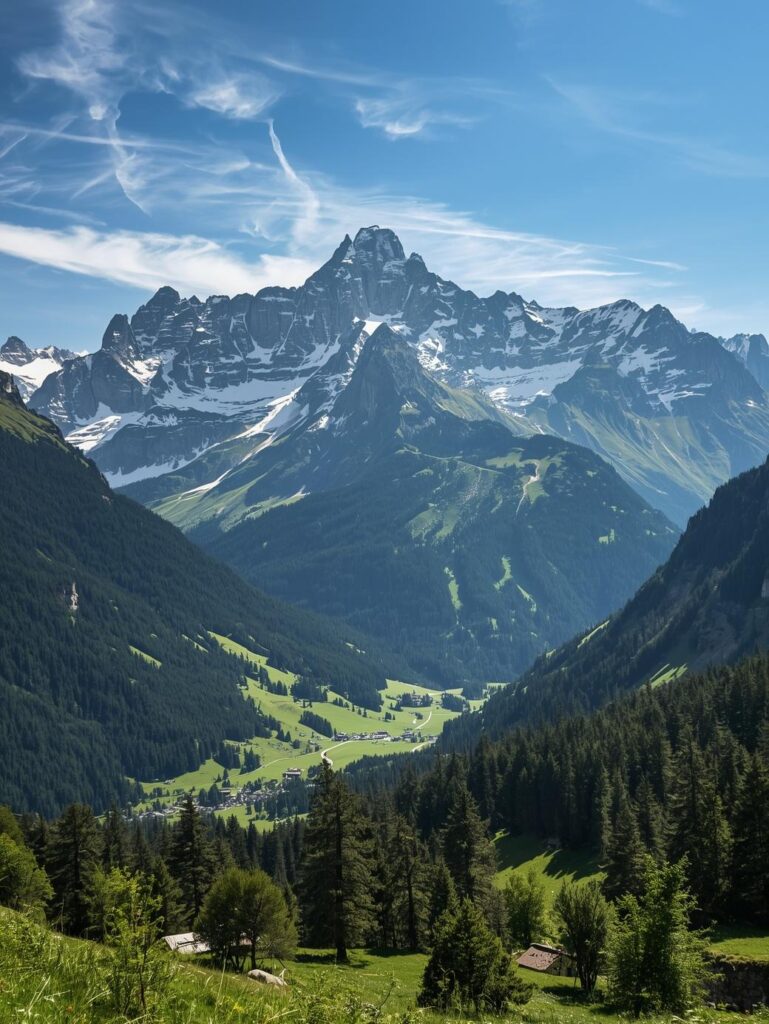
Few mountain ranges have shaped tourism as profoundly as the Alps. Stretching across eight European countries, they have become synonymous with alpine elegance, winter sports, luxury resorts, and timeless natural beauty.
The Alps offer an extraordinary variety of landscapes. Snow-covered peaks tower above picturesque villages, emerald valleys, sparkling lakes, vineyards, and flower-filled meadows that have inspired artists and travelers for centuries.
Some of Europe’s most famous mountains — including the Matterhorn, Mont Blanc, Eiger, and Jungfrau — are found here. Each possesses its own unique history, attracting climbers, photographers, and nature lovers from around the globe.
Luxury and mountain culture blend seamlessly throughout the Alps. Visitors can enjoy Michelin-starred restaurants, world-renowned ski resorts, historic five-star hotels, luxury wellness spas, and scenic train journeys such as the Glacier Express and Bernina Express. Even remote mountain villages often offer exceptional hospitality combined with spectacular scenery.
The Alps remain active throughout every season. Winter transforms the region into one of the world’s premier skiing destinations, while summer reveals thousands of hiking trails, mountain lakes, cycling routes, and panoramic cable cars that make the mountains accessible to travelers of all ages.
Beyond tourism, the Alps have long influenced European culture, architecture, agriculture, and trade. Traditional wooden chalets, centuries-old churches, alpine cheese-making, and mountain festivals continue to preserve a rich heritage that complements the region’s natural beauty.
For many travelers, the Alps represent the perfect balance between breathtaking wilderness and refined luxury.
The Alps
The Himalayas
1. The Majesty of the Himalayas
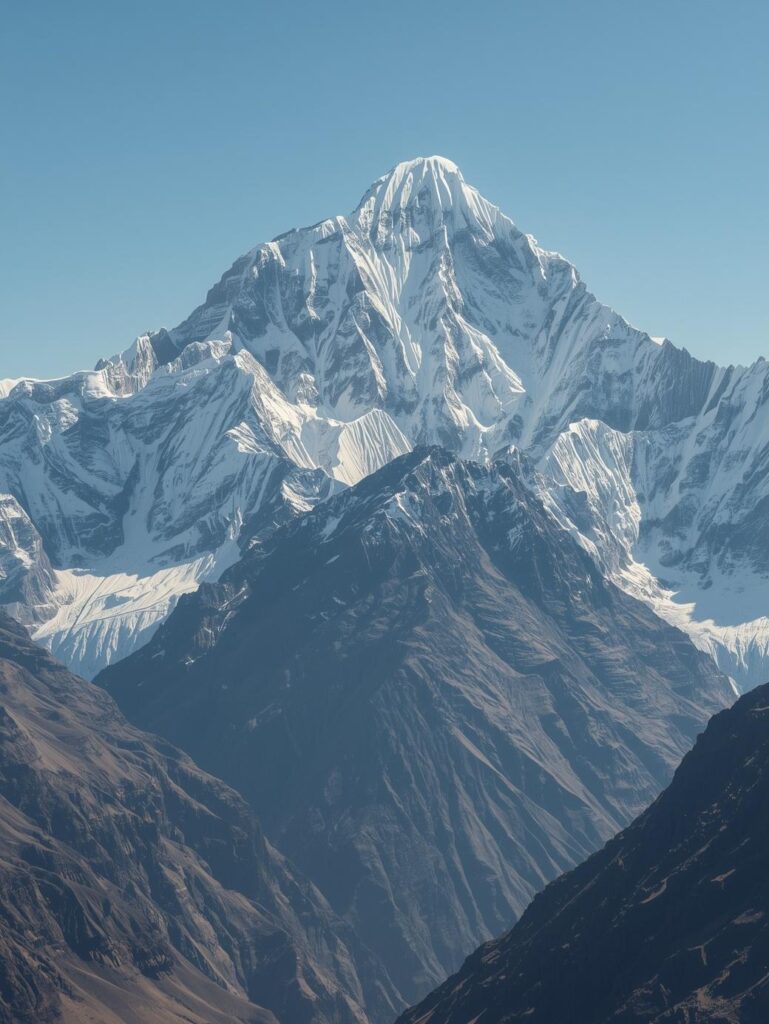
No mountain range commands greater respect than the Himalayas. Stretching approximately 2,400 kilometers (1,500 miles) across five countries, these mountains contain the highest elevations anywhere on Earth, including all 14 peaks above 8,000 meters.
At the heart of the range stands Mount Everest, reaching 8,849 meters (29,032 feet). While Everest remains the world’s most famous mountain, the Himalayas offer countless other spectacular peaks, including K2, Kanchenjunga, Lhotse, Annapurna, and Makalu.
The sheer scale of the Himalayas is almost impossible to comprehend. Their glaciers feed many of Asia’s largest rivers, including the Ganges, Indus, Brahmaputra, Yangtze, and Mekong, providing freshwater for nearly two billion people.
The region is equally rich in cultural heritage. Remote Buddhist monasteries cling to steep cliffs, colorful prayer flags flutter in high mountain passes, and ancient pilgrimage routes continue to connect sacred sites that have been visited for centuries.
Despite their harsh environment, the Himalayas support extraordinary biodiversity. Rare snow leopards, red pandas, Himalayan tahrs, musk deer, and hundreds of unique bird species inhabit forests and alpine ecosystems that remain among the least disturbed on Earth.
Luxury travel in the Himalayas has evolved significantly in recent years. Exclusive lodges in Nepal and Bhutan now offer helicopter excursions, private trekking guides, wellness retreats, and panoramic mountain accommodations that allow guests to experience the world’s highest mountains in remarkable comfort. Standing before the Himalayas is a humbling experience that reminds visitors of nature’s extraordinary scale and enduring power.
Why Mountains Captivate Us
Mountains are more than just geological formations – they symbolize freedom, challenge, and peace. Whether it’s the towering heights of the Himalayas or the quiet beauty of the Dolomites, each mountain range offers a unique experience.
They remind us of the vastness of the world and our place within it. Standing at the foot of a عظ peak or looking out from a summit, it’s impossible not to feel a sense of wonder.
Final Thoughts
The world’s most beautiful mountains are far more than impressive geological formations — they are living landscapes that shape civilizations, influence climates, inspire cultures, and challenge the limits of human exploration.
From the untouched wilderness of the Caucasus and Patagonia to the timeless elegance of the Alps, the sacred slopes of Mount Fuji, the colorful cliffs of the Dolomites, the endless grandeur of the Rocky Mountains, the immense Andes, and the towering Himalayas, each destination offers a completely different perspective on the beauty of our planet.
Perhaps the most surprising fact is that these mountain ranges collectively provide freshwater for billions of people, shelter thousands of species found nowhere else, and preserve traditions that have survived for centuries. They are not only spectacular places to visit — they are essential to life on Earth.
Whether you dream of conquering legendary summits, relaxing in a luxury alpine resort, photographing dramatic landscapes, or simply standing in awe before nature’s greatest masterpieces, these mountains promise experiences that remain unforgettable long after the journey ends. They remind us that, despite all of humanity’s achievements, the world’s highest peaks continue to inspire wonder, humility, and an enduring desire to explore.
The World’s Greatest Peaks Are Only the Beginning
The magnificent mountains you’ve just explored remind us that some of Earth’s most extraordinary masterpieces were shaped not by people, but by nature itself.
From snow-covered summits and dramatic alpine ridges to sacred volcanic peaks and remote wilderness, each mountain offers a unique story of beauty, adventure, and inspiration. These breathtaking landscapes continue to attract explorers, photographers, climbers, and travelers seeking experiences that leave a lasting impression. But here’s the truth…
Even the world’s most beautiful mountains are only one part of our planet’s incredible natural wonders. Beyond these towering peaks lie hidden valleys, crystal-clear lakes, untouched islands, spectacular beaches, and extraordinary destinations where nature reveals its beauty in completely different ways.
Because every unforgettable journey begins with a sense of wonder — and the world’s greatest landscapes always leave us searching for the next breathtaking view. Stay with us and discover more extraordinary destinations, hidden natural wonders, and luxury travel experiences that showcase the incredible beauty of our planet.