Home / Luxury Destinations / Top 5 Epic Mountains to Climb Before You Die

Top 5 Epic Mountains to Climb Before You Die (Beginner to Extreme Guide)

Climbing mountains has always symbolized ambition, freedom, and personal transformation. From the highest peaks on Earth to culturally significant summits, mountaineering attracts adventurers seeking both physical challenge and unforgettable experiences.

Whether you’re an aspiring climber or simply fascinated by the idea of standing above the clouds, this guide explores five of the most iconic mountains in the world — along with practical insights on how to climb mountains and what to expect.

Why Climbing Mountains Is So Appealing?

Mountain climbing combines endurance, mental resilience, and connection with nature. For many, it’s not just about reaching the summit but about the journey — pushing limits, adapting to harsh conditions, and experiencing landscapes few people ever see.

From beginner-friendly trekking peaks to extreme high-altitude expeditions, each mountain offers a unique path and level of challenge.
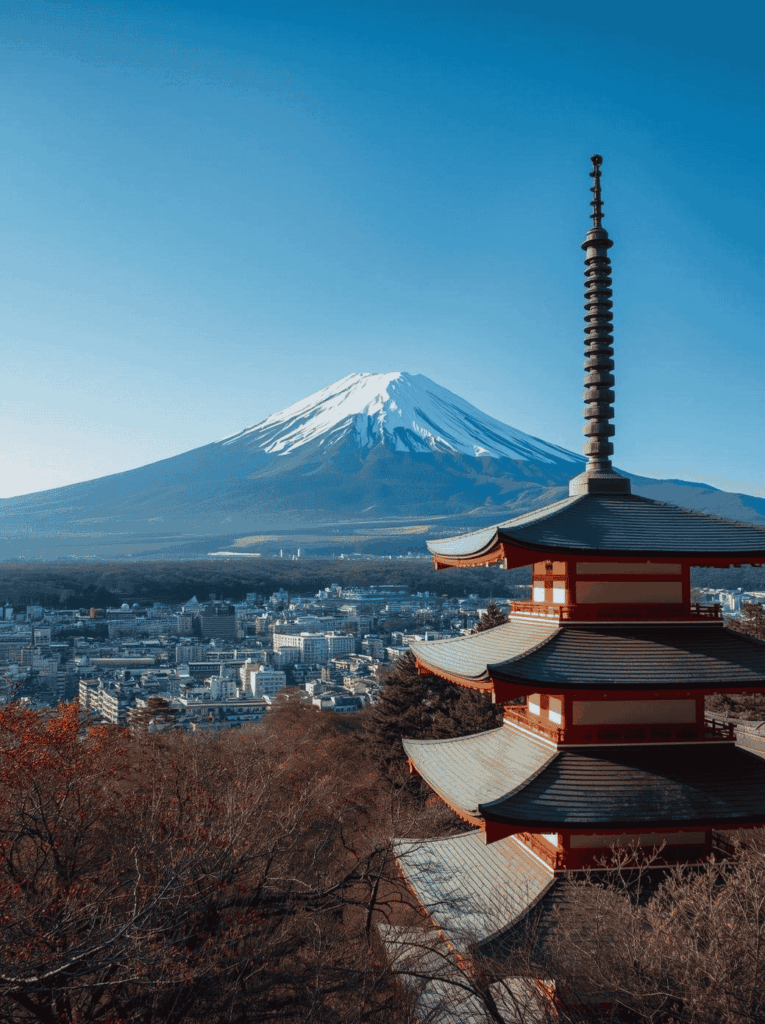
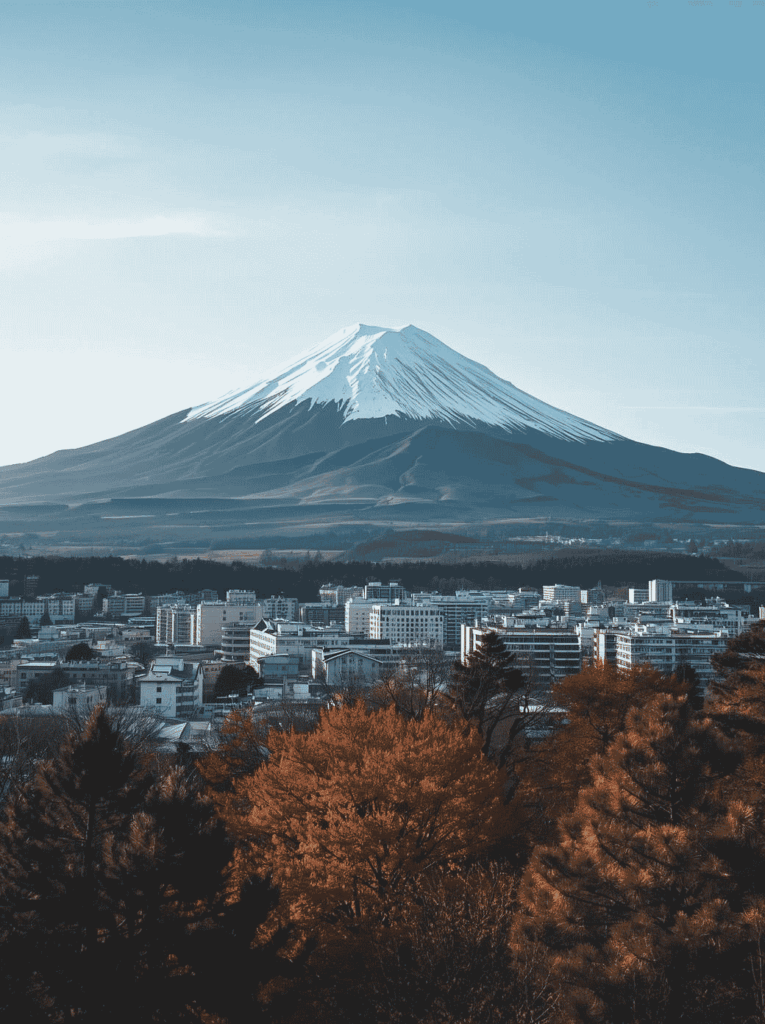
5. Mount Fuji (3776 m) — The Cultural Climb

Mount Fuji is Japan’s most famous mountain and a popular destination for both locals and travelers.

📍 Key Facts:
– Location: Japan;
– Difficulty: Easy to moderate 🟢;
– Duration: 1–2 days.

How to Climb:
Popular route:
– Yoshida Trail.
Many climbers:
– Start in the evening;
– Reach the summit for sunrise (Goraiko).

⚠️ Important Considerations:
– Climbing season: July–September;
– Trails can be crowded;
– Weather still matters.

Mount Fuji is perfect for first-time climbers and those seeking a scenic, meaningful experience.

Mount Fuji
Mount Fuji

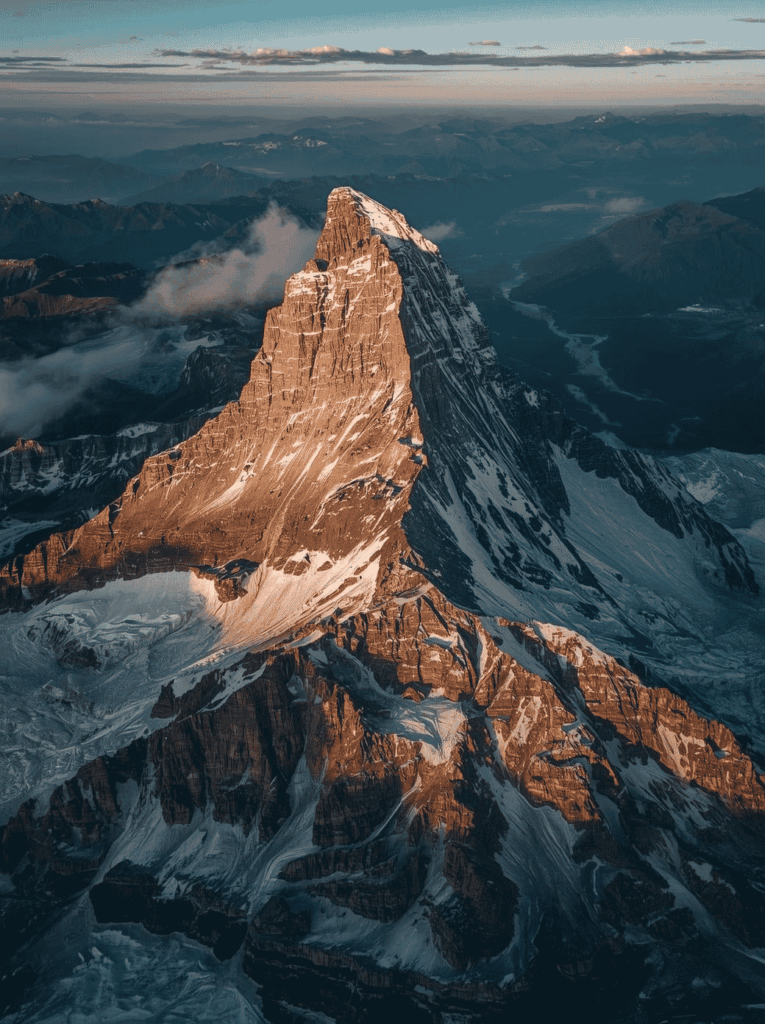
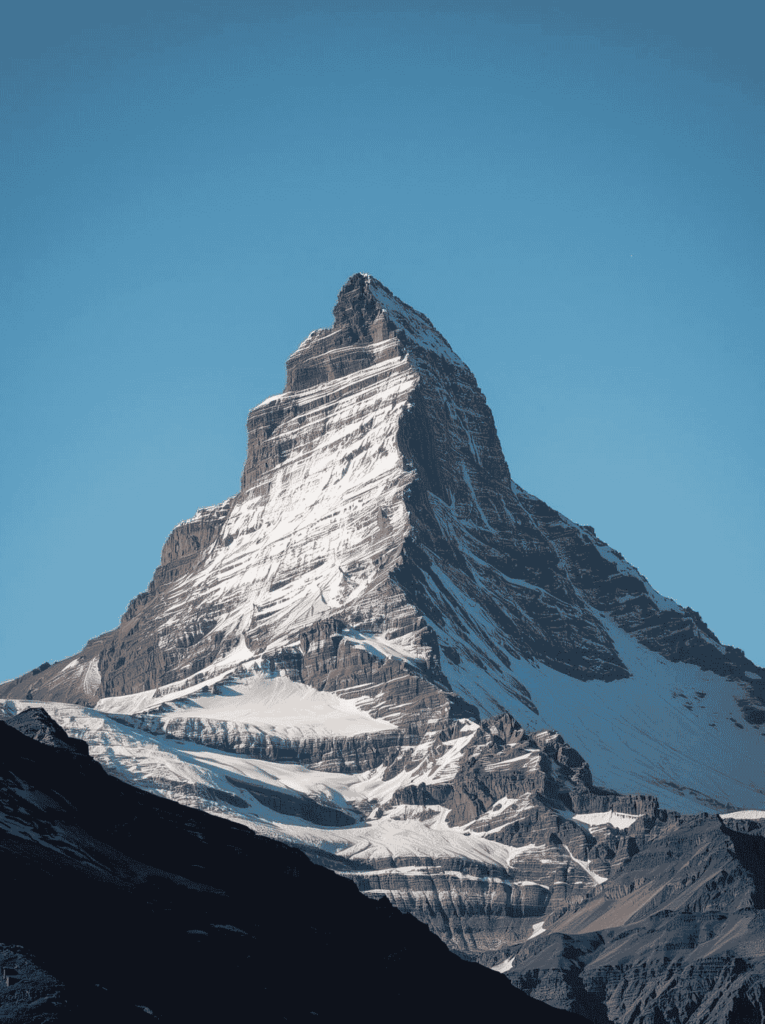
4. Matterhorn (4478 m) — The Iconic Technical Climb

Matterhorn is one of the most recognizable mountains in the world thanks to its unique shape.

📍 Key Facts:
– Location: Switzerland/Italy;
– Difficulty: High 🔴;
– Duration: 2–3 days.

How to Climb:
The most common route:
– Hörnli Ridge — technically demanding.
Requirements include:
– Advanced climbing skills;
– Experience with exposed ridges;
– Strong mental focus.

⚠️ Important Considerations:
– Higher risk compared to other Alpine peaks;
– Certified guide recommended;
– Weather windows are critical.

The Matterhorn is best suited for experienced mountaineers.

Matterhorn
Matterhorn

3. Mont Blanc (4808 m) — The Classic Alpine Peak

Mont Blanc is the highest mountain in Western Europe and a favorite among climbers entering alpine mountaineering.

📍 Key Facts:
– Location: France/Italy;
– Difficulty: Moderate to challenging 🟠;
– Duration: 2–5 days.

How to Climb:
The most popular route:
– Goûter Route — standard ascent.
Climbing Mont Blanc requires:
– Basic mountaineering skills;
– Experience with glacier travel;
– Strong physical condition.

⚠️ Important Considerations:
– Weather is unpredictable;
– Rockfall hazards in certain areas;
– Acclimatization still required.

Mont Blanc is often seen as a transition peak between trekking and technical climbing.

Mont Blanc
Mont Blanc

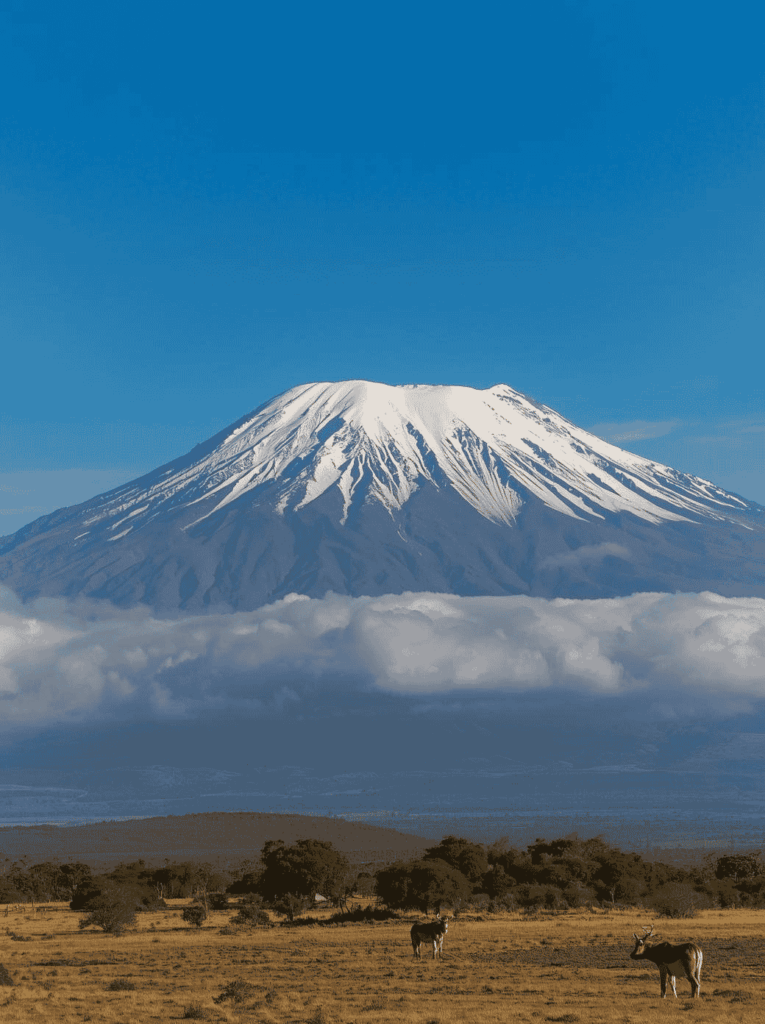
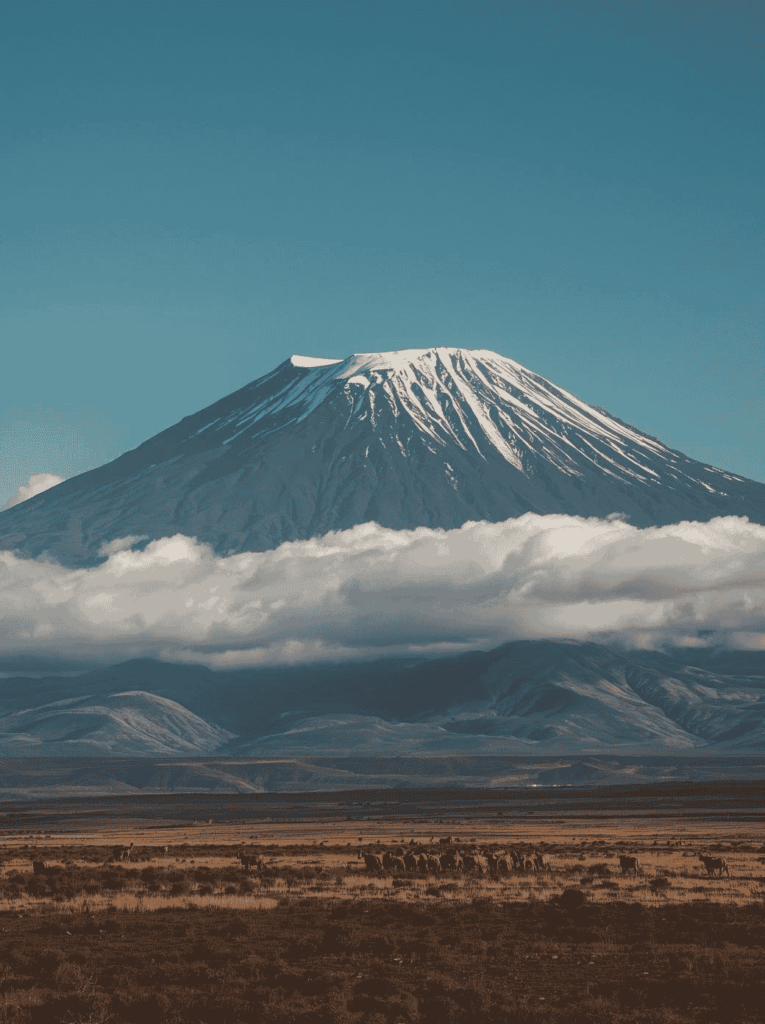
2. Mount Kilimanjaro (5895 m) — The Best First High Peak

Mount Kilimanjaro is Africa’s highest mountain and one of the most accessible high-altitude climbs in the world.

📍 Key Facts:
– Location: Tanzania;
– Difficulty: Moderate 🟡;
– Duration: 5–9 days.

How to Climb:
Unlike Everest, Kilimanjaro requires no technical climbing skills. You can reach the summit through trekking.

Popular routes include:
– Machame Route (scenic);
– Marangu Route (hut accommodations);
– Lemosho Route (less crowded).

⚠️ Important Considerations:
Altitude sickness is the biggest challenge;
– Proper pacing improves success rate:
– Hiring local guides is mandatory.

Kilimanjaro is ideal for beginner mountain climbers looking for their first serious adventure.

Mount Kilimanjaro
Mount Kilimanjaro

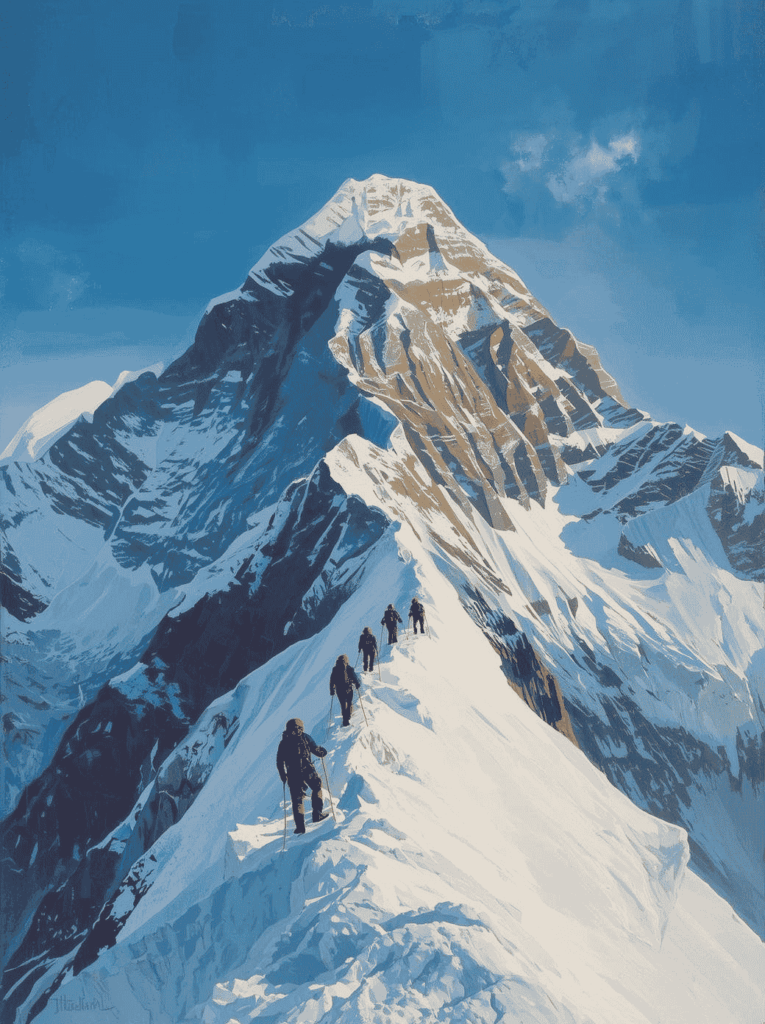
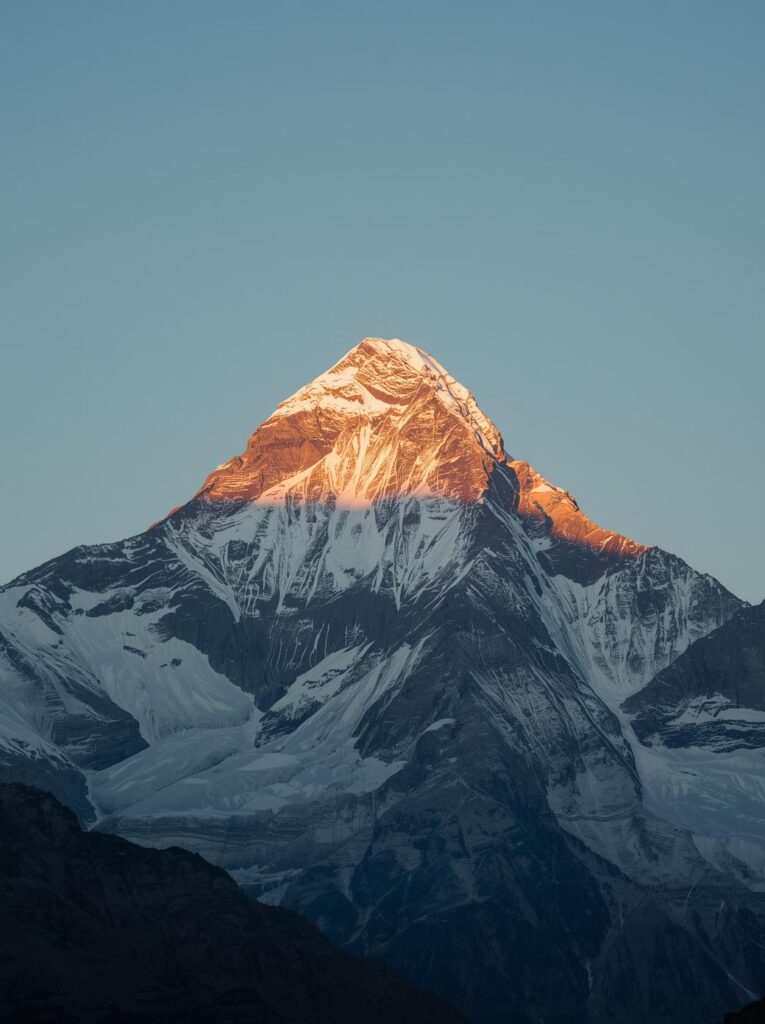
1. Mount Everest (8848 m) — The Ultimate Challenge

Mount Everest is the highest mountain in the world and the ultimate goal for many climbers. Located in the Himalayas, it represents the pinnacle of human endurance.

📍 Key Facts:
– Location: Nepal/Tibet border;
– Difficulty: Extreme 🔴;
– Duration: 6–9 weeks.

How to Climb:
Most climbers choose one of two main routes:
– South Col Route (Nepal) — more popular;
– North Ridge Route (Tibet) — more technical.

Climbing Everest requires:
– Advanced mountaineering experience;
– Proper high-altitude acclimatization;
– Professional guides and permits.

⚠️ Important Considerations:
– Cost can exceed $40,000–$100,000 💰;
– Oxygen levels are extremely low;
– Weather conditions change rapidly.

This climb is less about technical difficulty and more about endurance, risk management, and mental strength.

Mount Everest
Mount Everest

Essential Tips for Mountain Climbing

Physical Training
Prepare your body with:
– Cardio endurance;
– Strength training;
– Long hikes with a backpack.

Acclimatization
To avoid altitude sickness:
– Climb gradually;
– Stay hydrated;
– Schedule rest days.

Gear Essentials
Basic mountaineering gear includes:
– Proper boots;
– Layered clothing;
– Navigation tools;
– Safety equipment.

Hiring Guides
For many climbs:
– Improves safety;
– Provides expertise;
– Essential for high-altitude expeditions.

Mental Preparation
Climbing is also psychological:
– Expect discomfort;
– Stay focused;
– Know when to turn back.

Is Mountain Climbing Worth It?

Absolutely — if approached responsibly ✅.

Benefits of mountain climbing:
– Personal growth;
– Unique travel experiences;
– Amazing content creation opportunities.

But it also requires:
– Planning;
– Investment;
– Respect for nature.

Final Thoughts

Climbing one of the world’s great mountains is often described as a test of strength, endurance, and courage. But after looking at these extraordinary peaks, it becomes clear that the real challenge has very little to do with reaching the summit.

A mountain does not care how successful you are, how much money you have, or how confident you feel at sea level. At altitude, everything becomes brutally simple. You have your equipment, your preparation, your decisions, and the next few steps in front of you. That is what makes climbing so different from almost every other luxury experience.

There is also an unexpected irony in the desire to conquer mountains: you never actually conquer them.

The mountain remains exactly where it was before you arrived. It simply allows you to visit its summit — if conditions, preparation, and your own judgment are good enough. The real victory is therefore not defeating the mountain, but discovering what you are capable of when comfort disappears.

For some climbers, the reward will be the view. For others, it will be the story they can tell afterward. But perhaps the greatest reward is something much quieter: returning home with a different understanding of yourself.

Because the most important thing you bring down from a mountain is rarely a photograph. It is perspective. And once you have stood above the clouds, ordinary life can look surprisingly different from below.

Related Posts

cropped 2d6ce425 3468 4630 8539 09e93d4ae6bc.png

UNLOCK a WORLD of LUXURY

Discover extraordinary places, iconic cars, timeless luxury, and the lifestyles of the world’s elite. Subscribe for exclusive updates and never miss a story worth experiencing.

We don’t spam! Read our privacy policy for more info.

Scroll to Top