
Home / Luxury Destinations / Dream Places / Hidden European Villages Loved by the Ultra-Wealthy
Hidden European Villages Loved by the Ultra-Wealthy
The New Meaning of “Hidden Luxury”
There was a time when the ultra-wealthy competed for visibility — yachts in Monaco, villas in Saint-Tropez, chalets in Courchevel. Today, the game has changed. True luxury is no longer about being seen, but about disappearing completely.
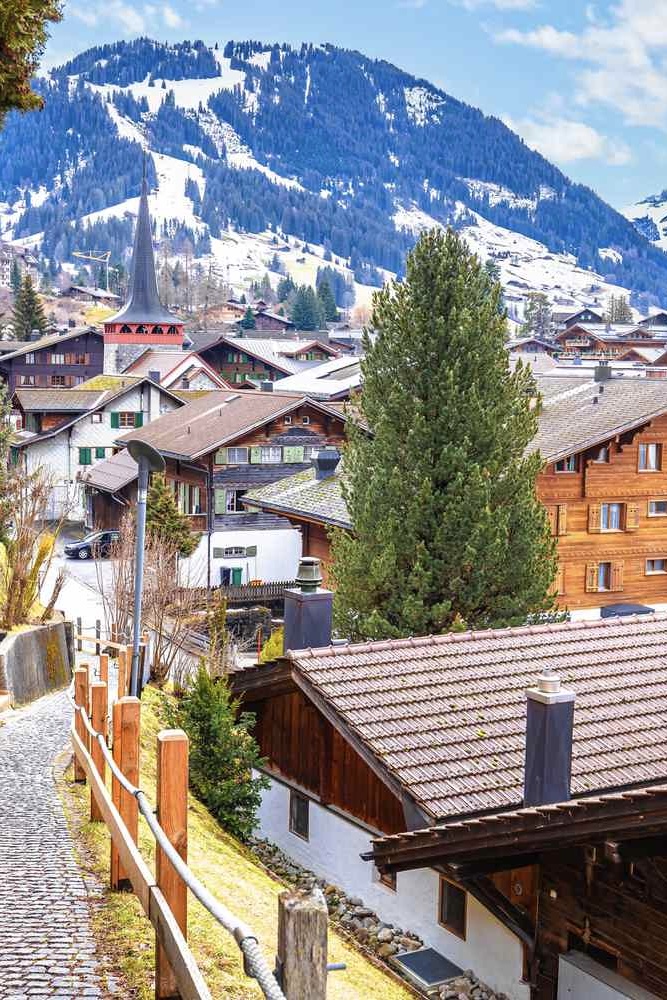
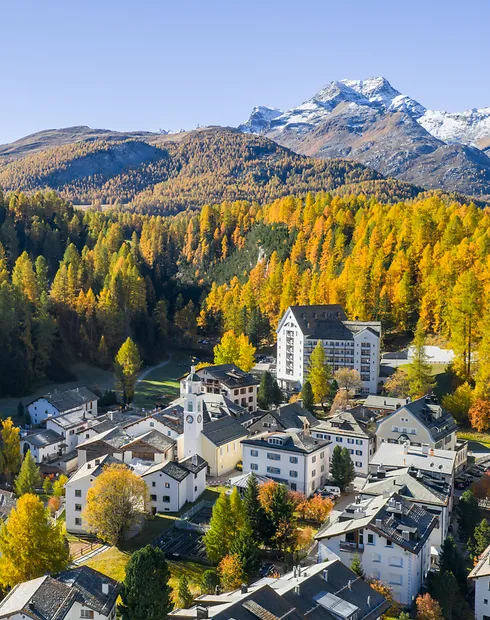
Across Europe, a quiet transformation is unfolding. Billionaires, tech founders, and old-money families are increasingly choosing remote alpine hamlets, coastal micro-villages, and nearly forgotten mountain settlements as their private sanctuaries. These places are not advertised in travel brochures, and many don’t even appear prominently on maps used by tourists.
What makes them special is not just beauty — but control: controlled access, controlled population density, controlled silence. In fact, luxury travel trends show a clear shift toward “stealth destinations” where privacy is the ultimate asset.
Below are some of the most exclusive hidden villages in Europe — places where wealth doesn’t just buy property, but buys disappearance.
Who Can Actually Afford These Places?
These hidden villages are not for “high-income” buyers — they are for the ultra-wealthy tier:
Typical buyers include:
– Tech founders (AI, SaaS, fintech);
– Hedge fund and private equity executives;
– Royal families and old European aristocracy;
– Global celebrities seeking privacy;
– Multi-generational wealth families.
Why they buy:
– Privacy is more valuable than location prestige;
– Asset diversification (European real estate stability);
– Lifestyle protection from media exposure;
– Long-term generational legacy planning.
In many cases, properties are never publicly listed. Transactions occur through private networks, wealth advisors, and exclusive real estate intermediaries.
The Psychology of Hidden Luxury
The shift toward secluded villages reveals something deeper about modern wealth:
– Visibility is no longer status;
– Isolation is the new exclusivity;
– Silence has become a luxury commodity;
– Privacy is now a measurable financial asset.
In other words, the richest individuals are not competing for attention — they are competing for absence.
Fascinating Final Facts
1. Some Alpine villages restrict new construction to preserve exclusivity, making supply permanently scarce
2. Entire micro-villages are sometimes purchased and privatized as single estates
3. Demand for “off-grid luxury” has surged strongly in recent years as privacy becomes a premium asset
4. The most expensive properties in Switzerland now exceed €35,000 per m² in elite Alpine zones
5. Many of these villages have fewer permanent residents than a single luxury hotel in Monaco
Conclusion: The Invisible Map of European Wealth
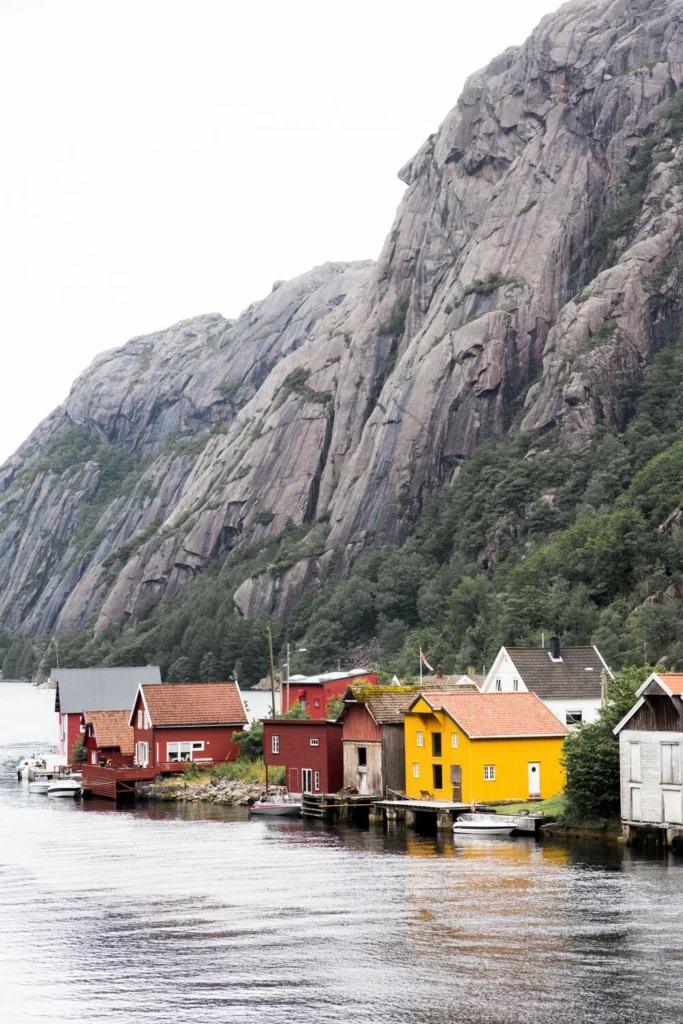
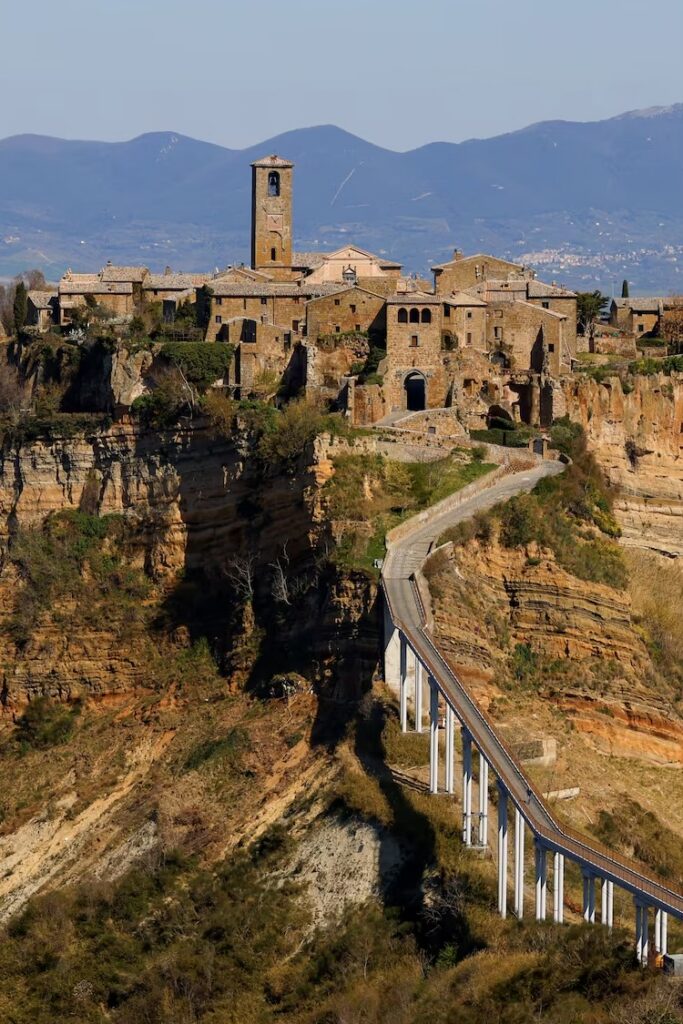
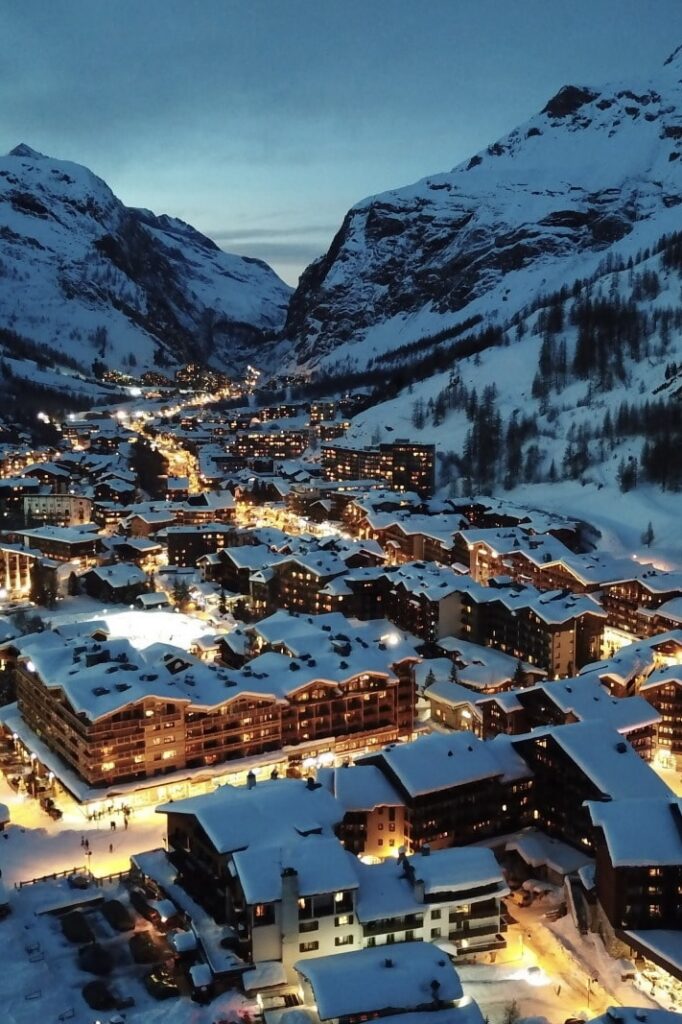
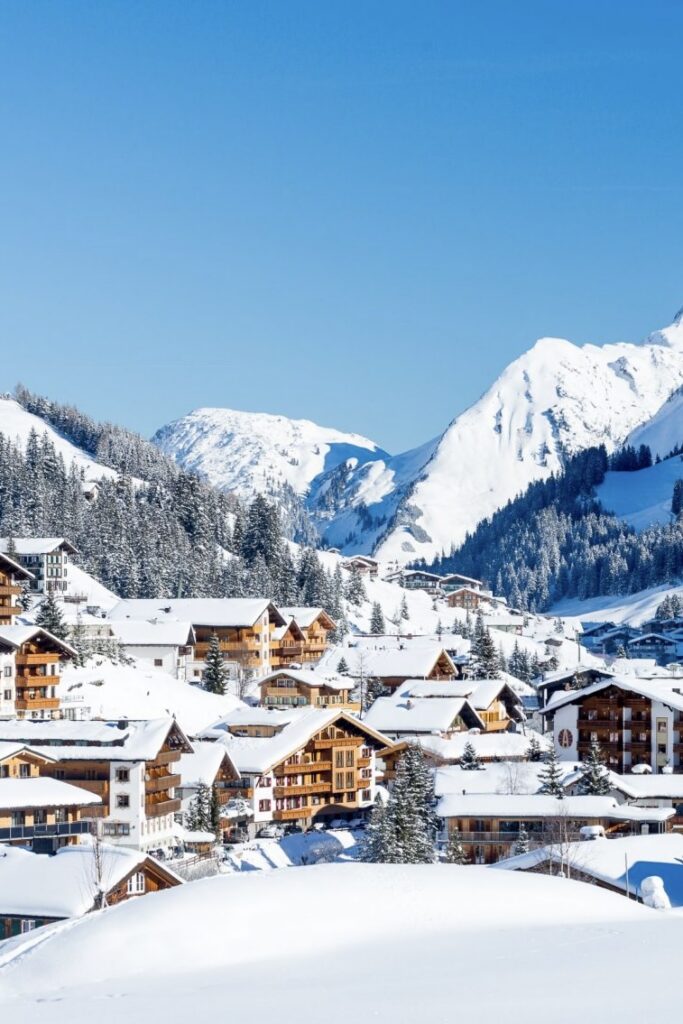
Hidden European villages are creating a parallel geography of luxury — one that exists outside mainstream tourism entirely. From Swiss alpine valleys to Italian heritage hamlets and Norwegian fjords, these places represent a new elite philosophy:
If everyone knows where you are, you are not truly wealthy.
And so, Europe’s richest are quietly redrawing the map — one invisible village at a time.
Europe’s Greatest Luxury Is Often Hidden in Its Smallest Villages
The villages you’ve just discovered prove that true luxury doesn’t always live in famous capitals or glamorous resorts. Tucked away among alpine peaks, rolling vineyards, dramatic coastlines, and centuries-old streets, these hidden destinations offer something the ultra-wealthy value above almost everything else: authenticity, privacy, and timeless beauty.
Far from the crowds, these villages provide a slower pace of life, exceptional local culture, world-class cuisine, and breathtaking scenery — creating experiences that feel both exclusive and deeply personal. But here’s the truth…
These enchanting villages are only the beginning of Europe’s hidden luxury. Beyond them lies a world of secret coastal retreats, legendary hotels, extraordinary mountain resorts, and destinations that remain untouched by mass tourism.
Continue exploring:
→ The Most Extraordinary Resorts Opening This Year: A New Era of Luxury Travel Begins
→ What Billionaires Buy That Millionaires Don’t
→ How Billionaires Spend Their Money Once They Have Everything
→ The Art of Living Exceptionally Well
→ The 8 Most Popular U.S. Cities Among the Wealthy: Where Luxury Meets Lifestyle
Because the most unforgettable places aren’t always the ones everyone talks about — they’re often the quiet corners of the world that still feel like a well-kept secret. Stay with us and uncover more hidden destinations, extraordinary landscapes, and luxury travel experiences that reveal the most beautiful side of Europe and beyond.