Home / Luxury Destinations / The World’s Most Breathtaking Natural Wonders

The World’s Most Breathtaking Natural Wonders

There are places on Earth that seem almost too magnificent to be real. Towering mountain ranges wrapped in clouds, dramatic coastlines sculpted by centuries of crashing waves, endless deserts glowing beneath golden sunsets, and tropical islands surrounded by crystal-clear lagoons all remind us that nature is the greatest artist of all. While modern cities continue to amaze with architectural achievements and technological innovation, the world’s most unforgettable experiences are often found far from civilization, where landscapes have remained largely untouched for thousands — or even millions — of years.

Exploring natural wonders is about far more than ticking destinations off a travel bucket list. These remarkable places allow travelers to reconnect with nature, witness geological history unfolding before their eyes, and experience ecosystems unlike anywhere else on Earth. Every mountain tells the story of ancient tectonic movements. Every canyon reveals layers of history carved by wind and water. Every coastline reflects the constant dialogue between land and sea.

The beauty of these destinations also lies in their diversity. Some inspire adventure through hiking, climbing, and wildlife exploration, while others invite peaceful reflection, offering moments of silence that are increasingly rare in today’s fast-moving world.

Whether you’re watching sunrise illuminate alpine peaks, sailing across turquoise lagoons, or standing beneath towering sandstone walls glowing with reflected light, these experiences stay with you long after the journey ends.

In this guide, we’ll explore eight of the world’s most breathtaking natural landscapes — from Europe’s legendary Alps and Patagonia’s untamed wilderness to Italy’s spectacular Amalfi Coast, Australia’s iconic Great Ocean Road, Africa’s vast Sahara Desert, the mesmerizing curves of Antelope Canyon, and the tropical paradise islands of Bora Bora and Bali. Each destination showcases a different masterpiece created by nature, proving that the planet still holds countless wonders waiting to be discovered.

Majestic Mountain Landscapes

1. The Alps – Europe’s Iconic Peaks

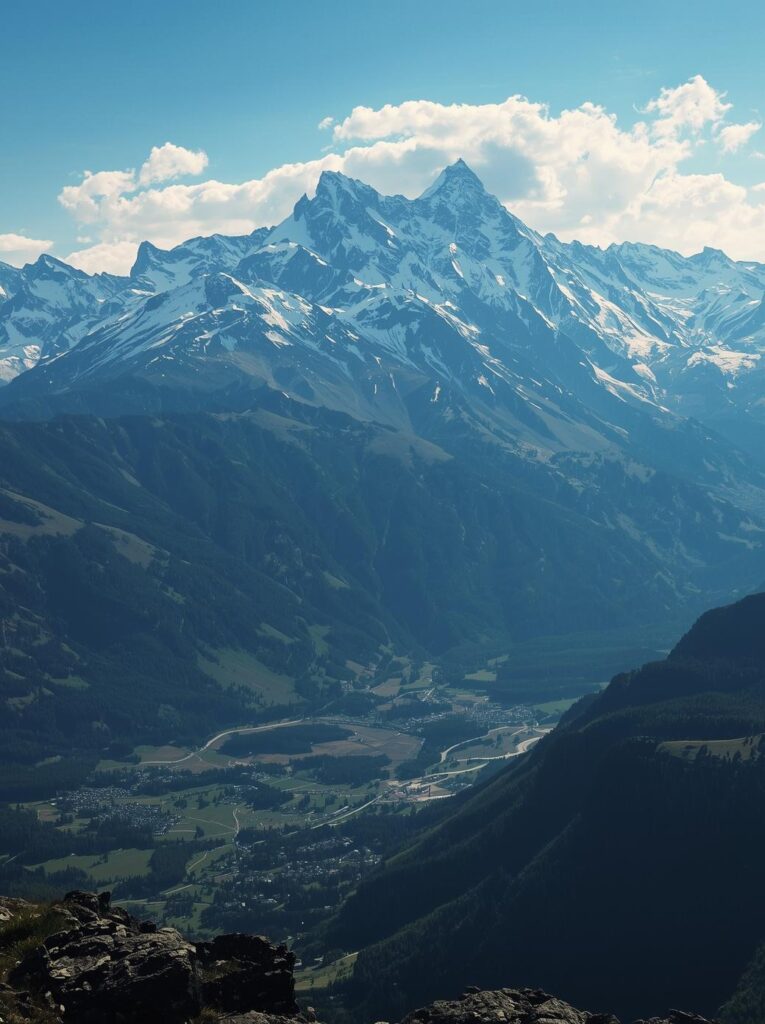
Stretching across eight European countries, the Alps represent one of the world’s most famous mountain systems and remain the benchmark for alpine beauty. Covering approximately 1,200 kilometers, these majestic peaks have shaped European culture, history, and adventure tourism for centuries. Snow-covered summits rise above emerald valleys, glacial lakes shimmer beneath towering cliffs, and picturesque villages appear almost frozen in time.

The Alps are home to hundreds of peaks exceeding 4,000 meters, including the legendary Mont Blanc, the highest mountain in Western Europe. Massive glaciers, dramatic ridgelines, and deep valleys create breathtaking scenery that changes dramatically with each season. Winter transforms the region into a paradise for skiing and snowboarding, while spring fills alpine meadows with vibrant wildflowers. Summer attracts hikers from around the world, and autumn paints forests in spectacular shades of gold and crimson.

One of the Alps’ greatest treasures is their incredible biodiversity. Thousands of plant species thrive in alpine ecosystems, alongside wildlife such as ibex, marmots, golden eagles, chamois, and elusive lynx. Protected national parks help preserve these fragile habitats while allowing visitors to experience nature responsibly. Beyond their natural beauty, the Alps are deeply connected to European heritage. Traditional mountain villages preserve centuries-old architecture, local cuisine, and cultural festivals. Visitors can ride panoramic trains through breathtaking valleys, explore medieval castles overlooking mountain passes, or relax beside crystal-clear lakes such as Lake Geneva, Lake Como, and Lake Bled.

Scientists continue studying the Alps as glaciers gradually retreat due to climate change, revealing ancient archaeological discoveries hidden beneath the ice. These mountains are not only beautiful — they are also a living laboratory that records Earth’s changing climate over thousands of years.

The Alps

2. Patagonia – Untamed Wilderness

Few places embody raw natural power quite like Patagonia. Shared between Argentina and Chile, this immense wilderness covers more than one million square kilometers of glaciers, mountains, lakes, rivers, forests, and windswept plains. It is one of the last truly wild frontiers on Earth.

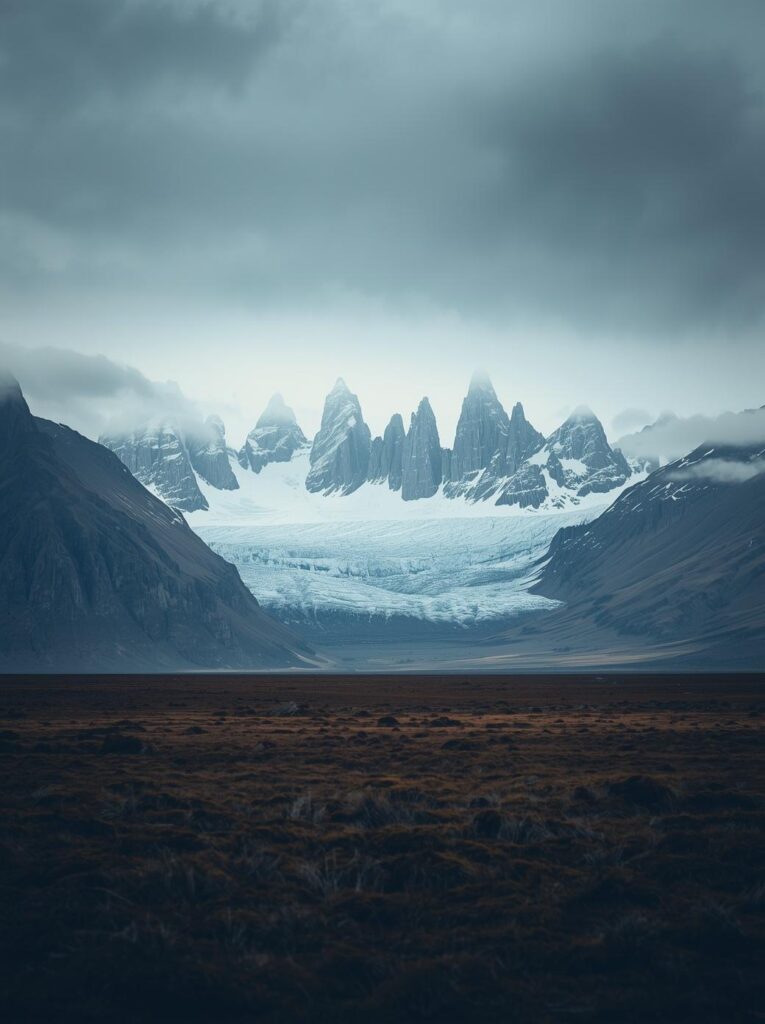
Patagonia’s landscape feels almost prehistoric. Granite towers rise dramatically above turquoise lakes, enormous glaciers slowly advance through mountain valleys, and powerful rivers carve deep canyons before reaching the Atlantic and Pacific Oceans. The famous Torres del Paine National Park and Los Glaciares National Park showcase some of the planet’s most spectacular scenery.

The region is dominated by ice. Patagonia contains the world’s third-largest freshwater ice reserve after Antarctica and Greenland. Massive glaciers such as Perito Moreno continuously move forward, producing thunderous cracks as enormous blocks of ice collapse into surrounding lakes. Witnessing this phenomenon is one of nature’s greatest spectacles.

Wildlife flourishes across Patagonia’s diverse ecosystems. Guanacos roam open grasslands, Andean condors soar high above cliffs, while pumas silently hunt across remote valleys. Offshore waters host whales, penguins, dolphins, and elephant seals, making Patagonia equally remarkable both on land and at sea. Extreme weather adds another layer of excitement. Powerful winds, rapidly changing conditions, and dramatic skies create landscapes that photographers describe as endlessly dynamic. Every sunrise and sunset transforms mountains into glowing masterpieces of color.

Despite its rugged appearance, Patagonia offers moments of incredible tranquility. Vast open spaces, minimal light pollution, and untouched wilderness allow visitors to experience nature in its purest form — something increasingly rare in today’s interconnected world.

Patagonia

Coastal Landscapes That Take Your Breath Away
1. The Amalfi Coast – Italy’s Coastal Gem

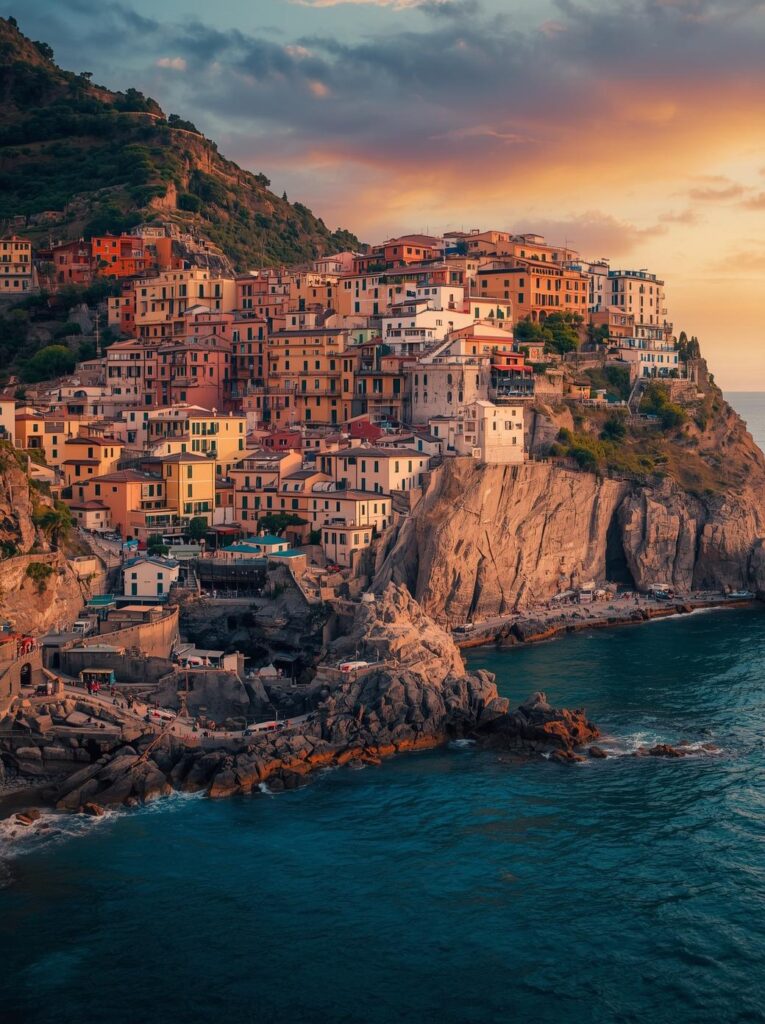
The Amalfi Coast is one of Europe’s most celebrated coastal landscapes, combining dramatic cliffs, colorful villages, Mediterranean waters, and centuries of cultural history into a destination unlike any other. Located along southern Italy’s Sorrentine Peninsula, this UNESCO World Heritage Site stretches approximately 50 kilometers along one of the world’s most scenic coastlines.

Towering limestone cliffs plunge directly into sparkling blue waters, creating breathtaking panoramas around every curve. Villages including Positano, Amalfi, and Ravello appear to cling impossibly to the mountainsides, their pastel-colored homes cascading toward the sea.

Terraced lemon groves have shaped the landscape for centuries. These fertile hillsides produce the famous Amalfi lemons used to create authentic limoncello, while olive groves and vineyards contribute to the region’s celebrated cuisine.

The coastal road itself has become legendary among travelers. Winding through cliffs with countless panoramic viewpoints, it offers unforgettable driving experiences while revealing hidden beaches, historic churches, and charming fishing villages.

The Mediterranean Sea surrounding the Amalfi Coast is equally impressive. Crystal-clear water invites visitors to swim, kayak, sail, or explore sea caves carved naturally into limestone cliffs. Nearby islands, including Capri, add even more opportunities for unforgettable adventures.

What makes the Amalfi Coast truly exceptional is the harmony between human creativity and natural beauty. Rather than overwhelming the landscape, generations of local communities adapted to it, building homes, gardens, and terraces that seem perfectly integrated into the surrounding environment.

The Amalfi Coast

2. Great Ocean Road – Australia’s Scenic Drive

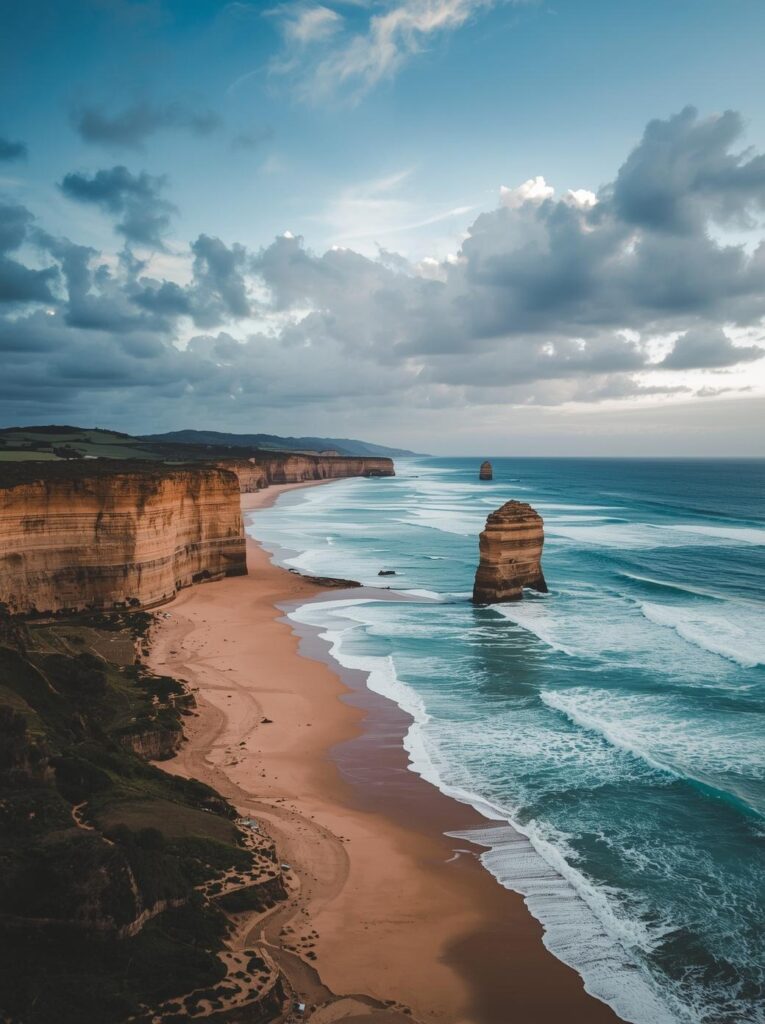
Australia’s Great Ocean Road is far more than a highway — it’s one of the world’s greatest coastal journeys. Stretching over 240 kilometers along the southeastern coastline of Victoria, this remarkable route showcases towering limestone cliffs, wild beaches, ancient rainforests, and iconic rock formations shaped by millions of years of erosion. The most famous landmark along the route is the Twelve Apostles, enormous limestone stacks rising dramatically from the Southern Ocean. Constant waves continue sculpting these formations, making the coastline a living geological masterpiece that changes year after year.

Beyond the famous viewpoints lies extraordinary biodiversity. Visitors often encounter koalas resting in eucalyptus trees, colorful parrots flying overhead, kangaroos grazing nearby, and migrating southern right whales during the winter months.

Ancient temperate rainforests offer a striking contrast to the coastline. Towering eucalyptus trees, giant ferns, waterfalls, and lush green canopies create an entirely different world only minutes from the crashing surf. The Great Ocean Road also carries deep historical significance. Built by returned soldiers after World War I, it remains the world’s largest war memorial, honoring those who sacrificed their lives while simultaneously creating one of Australia’s most treasured national landmarks.

Photographers particularly appreciate the constantly changing weather. Dramatic clouds, ocean mist, vibrant sunsets, and powerful waves create endlessly unique compositions, ensuring no two visits ever feel exactly the same.

Great Ocean Road

Desert Landscapes: Beauty in Simplicity
1. Sahara Desert – Endless Golden Sands

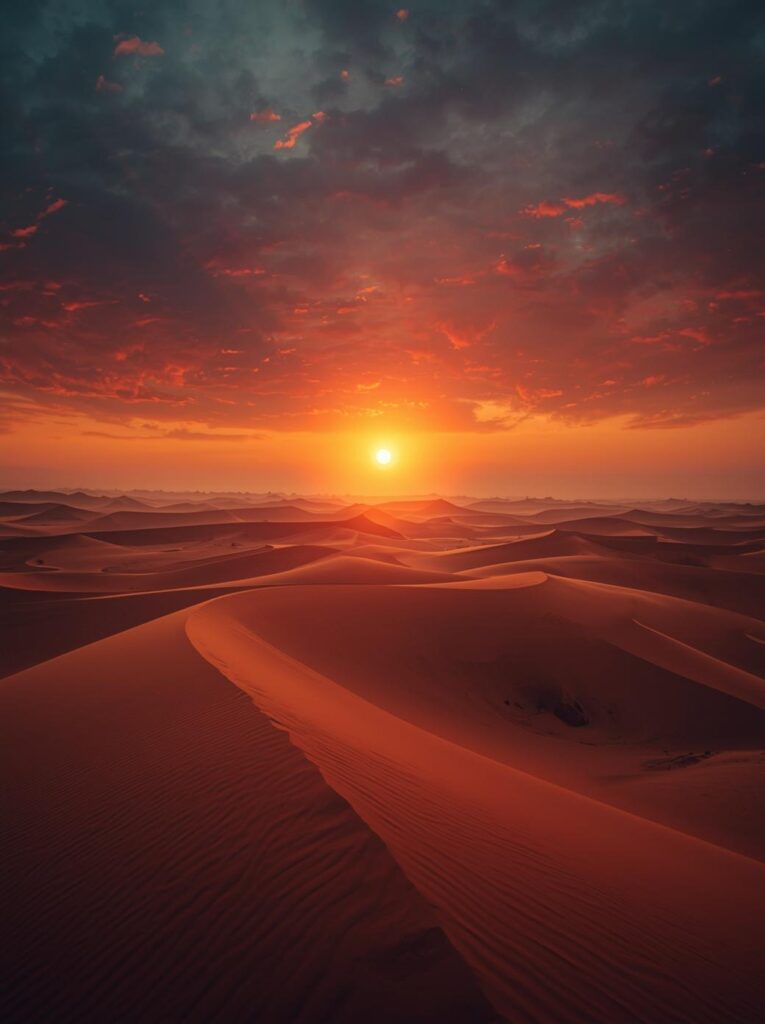
Covering approximately 9.2 million square kilometers, the Sahara is the largest hot desert on Earth. Stretching across North Africa, it is larger than many continents and remains one of the planet’s most awe-inspiring natural landscapes.

Contrary to popular belief, the Sahara is far more diverse than endless sand dunes. While iconic golden dunes certainly exist, visitors also encounter volcanic mountains, rocky plateaus, ancient river valleys, salt flats, hidden oases, and surprisingly fertile regions following seasonal rainfall.

The famous Erg Chebbi and Erg Chigaga dunes in Morocco demonstrate the desert’s incredible scale. Some dunes rise over 150 meters high, constantly reshaped by powerful winds into elegant waves of golden sand.

Life thrives even in these harsh conditions. Fennec foxes, desert hedgehogs, gazelles, camels, reptiles, and specialized desert plants have evolved remarkable adaptations allowing them to survive extreme temperatures and limited water supplies.

One of the Sahara’s greatest treasures emerges after sunset. With almost no artificial light, the desert becomes one of Earth’s finest locations for stargazing. Millions of stars illuminate the sky with extraordinary clarity, while the Milky Way stretches from horizon to horizon.

Hidden beneath the Sahara lies another astonishing secret: enormous underground freshwater aquifers and evidence that the region was once lush grassland inhabited by elephants, giraffes, crocodiles, and early human civilizations thousands of years ago. Ancient cave paintings still preserve this forgotten chapter of Earth’s history.

Sahara Desert

2. Antelope Canyon – Nature’s Artistry

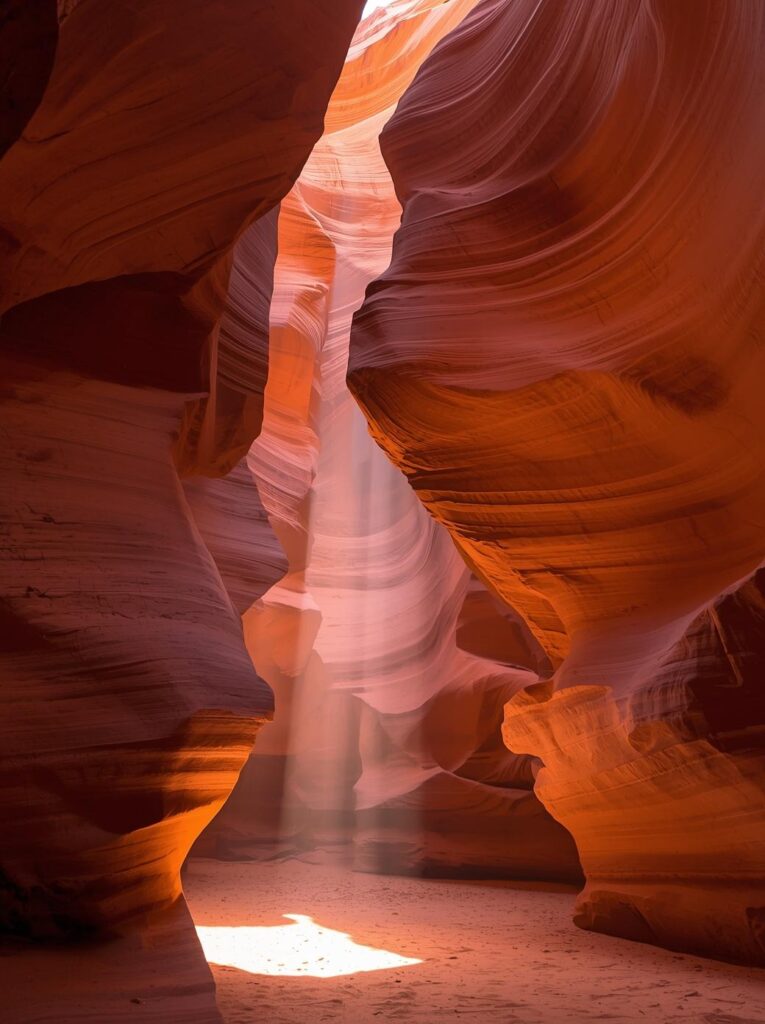
Hidden within the Arizona desert, Antelope Canyon demonstrates how patience and time can create breathtaking natural art. Formed over countless centuries by flash floods carving through Navajo sandstone, the canyon’s flowing walls resemble sculpted silk frozen in stone.

The canyon is divided into Upper and Lower Antelope Canyon, each offering unique perspectives. Narrow passageways twist gracefully through the rock, while smooth sandstone walls display remarkable shades of orange, red, gold, and purple depending on sunlight. Perhaps the canyon’s most famous phenomenon is its spectacular light beams. During specific times of year, sunlight enters through narrow openings above, creating glowing columns that illuminate swirling sandstone with almost supernatural beauty.

Every wall tells a geological story. Ripple patterns reveal ancient water currents, while curved formations demonstrate the immense power of erosion acting over millions of years. Unlike mountains shaped by tectonic forces, Antelope Canyon is a masterpiece carved almost entirely by water.

The canyon also holds profound cultural significance for the Navajo Nation, whose guides share stories connecting the landscape with generations of Indigenous traditions and spiritual beliefs.

Photographers from around the world consider Antelope Canyon one of the most visually stunning locations on Earth because every step reveals entirely new compositions of light, shadow, color, and texture unlike anywhere else.

Antelope Canyon

Tropical Paradise Landscapes

1. Bora Bora – A Dream Destination

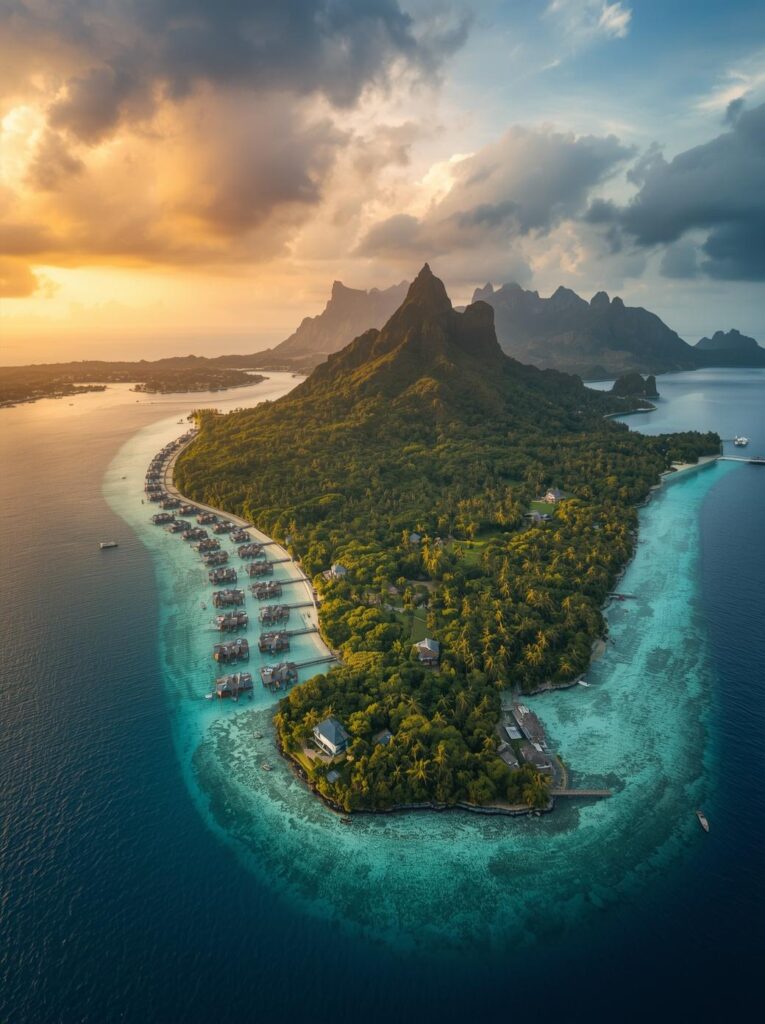
Few destinations symbolize tropical luxury quite like Bora Bora. Located in French Polynesia, this volcanic island is surrounded by one of the world’s most spectacular lagoons, where countless shades of turquoise merge seamlessly into the deep blue Pacific Ocean.

The island’s dramatic volcanic peaks rise above lush tropical forests, creating a stunning contrast against crystal-clear waters protected by a surrounding coral reef. Overwater bungalows have become Bora Bora’s global signature, allowing visitors to wake up directly above vibrant marine ecosystems.

The lagoon supports extraordinary biodiversity. Colorful coral gardens provide habitat for manta rays, reef sharks, sea turtles, tropical fish, and countless marine species that thrive within protected waters.
Despite its reputation for luxury, Bora Bora’s true beauty lies in its natural environment. Gentle trade winds, calm lagoons, pristine beaches, and spectacular sunsets create an atmosphere of complete serenity rarely matched elsewhere.

The island also preserves rich Polynesian traditions through dance, music, craftsmanship, and storytelling. Local communities continue celebrating customs passed down for generations, giving travelers opportunities to experience authentic cultural heritage alongside extraordinary scenery.

Scientists recognize Bora Bora’s coral ecosystems as valuable indicators of ocean health, making conservation efforts increasingly important as climate change threatens fragile reef environments around the globe.

Bora Bora

2. Bali – Nature Meets Culture

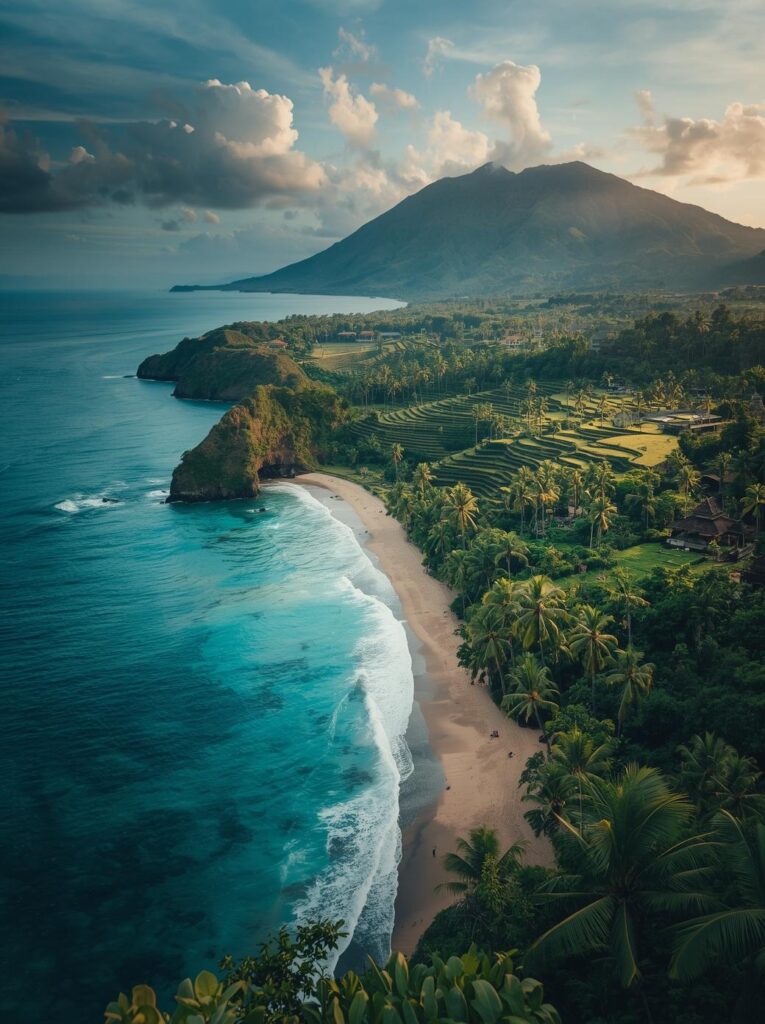
Bali offers something unique among the world’s tropical destinations: breathtaking natural beauty perfectly intertwined with centuries of living culture. Often called the “Island of the Gods,” Bali combines volcanic mountains, emerald rice terraces, waterfalls, rainforests, beaches, coral reefs, and sacred temples into one extraordinary landscape.

The island’s volcanic origins have created fertile soils supporting some of Asia’s most beautiful rice terraces. Locations such as Tegallalang and Jatiluwih demonstrate an ancient irrigation system known as Subak, recognized by UNESCO as both an engineering achievement and cultural tradition.

Towering volcanoes, including Mount Agung and Mount Batur, dominate Bali’s skyline while providing adventurous hiking opportunities and unforgettable sunrise experiences above the clouds.

The island’s coastline is equally diverse. Black volcanic beaches contrast dramatically with white sandy shores, while world-famous surfing breaks attract athletes from every continent. Beneath the surface, coral reefs support sea turtles, manta rays, reef fish, and vibrant underwater ecosystems.

Perhaps Bali’s greatest strength is its harmonious relationship between people and nature. Temples are often built beside waterfalls, on cliff edges, or overlooking lakes, reflecting the Balinese philosophy that spiritual life should remain deeply connected with the natural world.

Traditional ceremonies, offerings, music, and festivals continue shaping daily life, giving visitors an experience that extends far beyond beautiful scenery. Bali reminds travelers that the world’s greatest landscapes become even more meaningful when they are protected, respected, and celebrated by the communities who call them home.

Bali

Why Stunning Landscapes Matter for Travelers?

Exploring beautiful landscapes is more than just sightseeing — it’s about reconnecting with nature, finding peace, and gaining new perspectives.

These destinations offer:
• Stress relief and mental clarity;
• Unique photography opportunities;
• Memorable travel experiences;
• Inspiration for creativity and personal growth.

Tips for Exploring Stunning Landscapes:
• Plan ahead: Research the best seasons to visit;
• Respect nature: Follow sustainable travel practices;
• Capture the moment: Bring a camera or drone;
• Stay safe: Be prepared for changing weather conditions.

Conclusion: Start Your Journey Today

The world’s most breathtaking natural wonders are far more than beautiful destinations — they are living records of Earth’s incredible history. Every glacier, coastline, canyon, desert, rainforest, and coral reef represents millions of years of geological evolution, constantly shaped by powerful natural forces that continue transforming our planet today.

From the snow-covered peaks of the Alps to Patagonia’s untamed wilderness, from Italy’s dramatic Amalfi Coast and Australia’s legendary Great Ocean Road to the endless Sahara, the sculpted sandstone of Antelope Canyon, and the tropical perfection of Bora Bora and Bali, each landscape offers a completely different perspective on nature’s creativity.

Perhaps the most surprising realization is that these extraordinary places are not permanent. Glaciers continue retreating, coastlines slowly erode, coral reefs face unprecedented environmental challenges, and changing climates reshape ecosystems around the globe. Every journey to these destinations is therefore more than a vacation — it becomes an opportunity to witness natural masterpieces that future generations may experience differently.

The greatest luxury in modern travel is no longer simply reaching exclusive destinations; it is standing before landscapes that inspire genuine wonder, reminding us how small we are within the vast story of our planet. These remarkable natural wonders encourage us to explore responsibly, protect fragile ecosystems, and appreciate the extraordinary beauty that still exists across every corner of Earth. Long after photographs fade and souvenirs are forgotten, the memories created in these incredible places remain among life’s most valuable treasures.

Related Posts

cropped 2d6ce425 3468 4630 8539 09e93d4ae6bc.png

UNLOCK a WORLD of LUXURY

Discover extraordinary places, iconic cars, timeless luxury, and the lifestyles of the world’s elite. Subscribe for exclusive updates and never miss a story worth experiencing.

We don’t spam! Read our privacy policy for more info.

Scroll to Top